Blog
Guide du mariage juif : Traditions, conseils d'organisation et inspirations modernes

Août
Jewish Wedding Guide Eventflowerwall: Discover everything about Jewish weddings—from rituals to modern trends. Perfect for couples, planners, and wedding vendors. Learn how to design unforgettable Jewish weddings.
Introduction: The Soul of a Jewish Wedding
A Jewish wedding is more than a ceremony—it’s a tapestry of love, history, community, and divine tradition. Whether you’re a bride, groom, planner, or supplier, understanding the essence of a Jewish wedding is key to creating a celebration that honors both heritage and individuality.
With the rise in demand for customized yet culturally respectful Jewish weddings, it’s essential to blend deep-rooted traditions with contemporary elegance. This guide is crafted from both firsthand experience and industry best practices, offering rich insight and clear action steps.
Chapter 1: Core Traditions of a Jewish Wedding
1.1 The Ketubah: A Covenant of Love
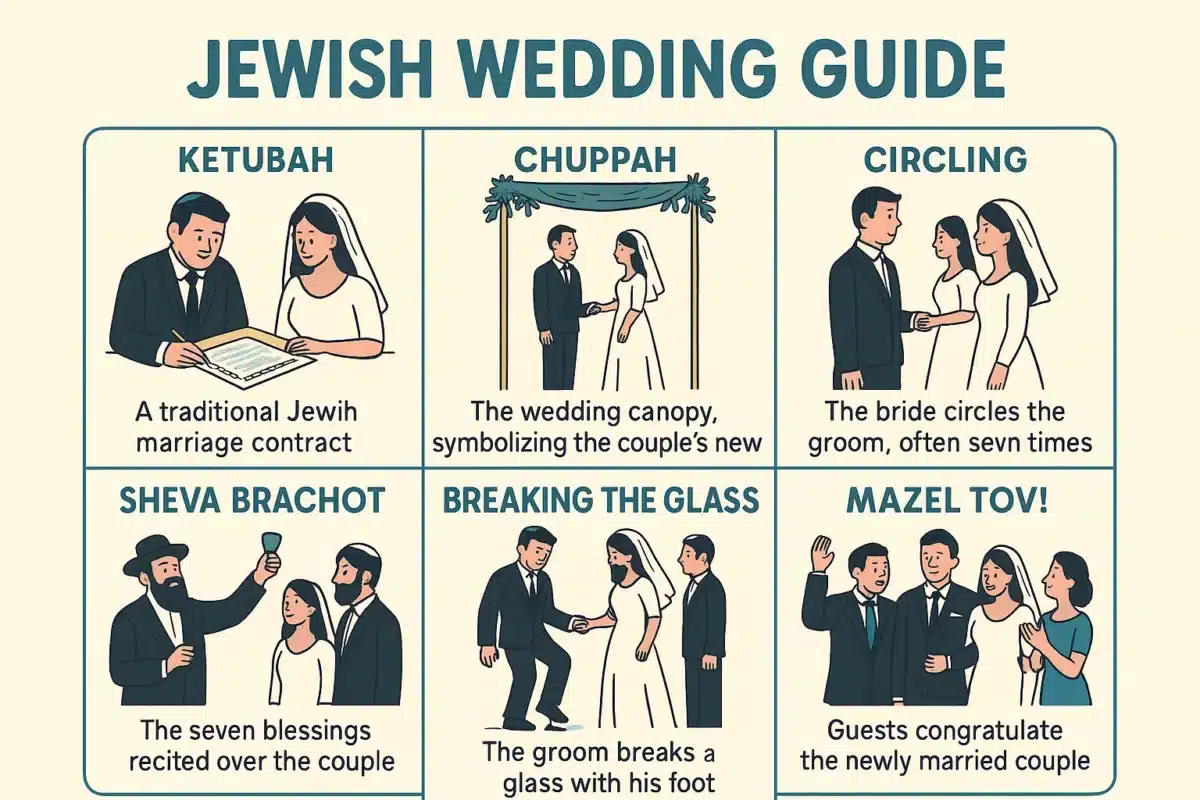
The Ketubah is a beautifully inscribed marriage contract that outlines the groom’s responsibilities to the bride. It often becomes a cherished art piece.
1.2 The Chuppah: Sacred Canopy of Unity
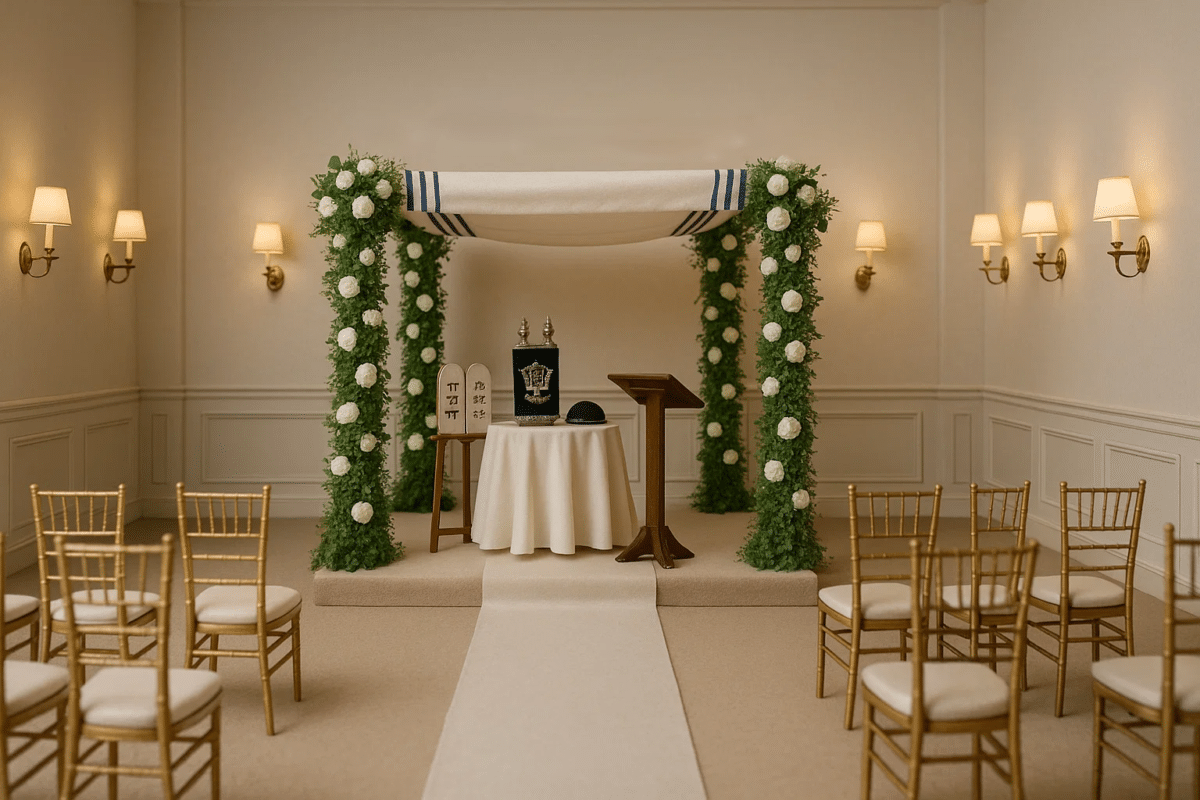
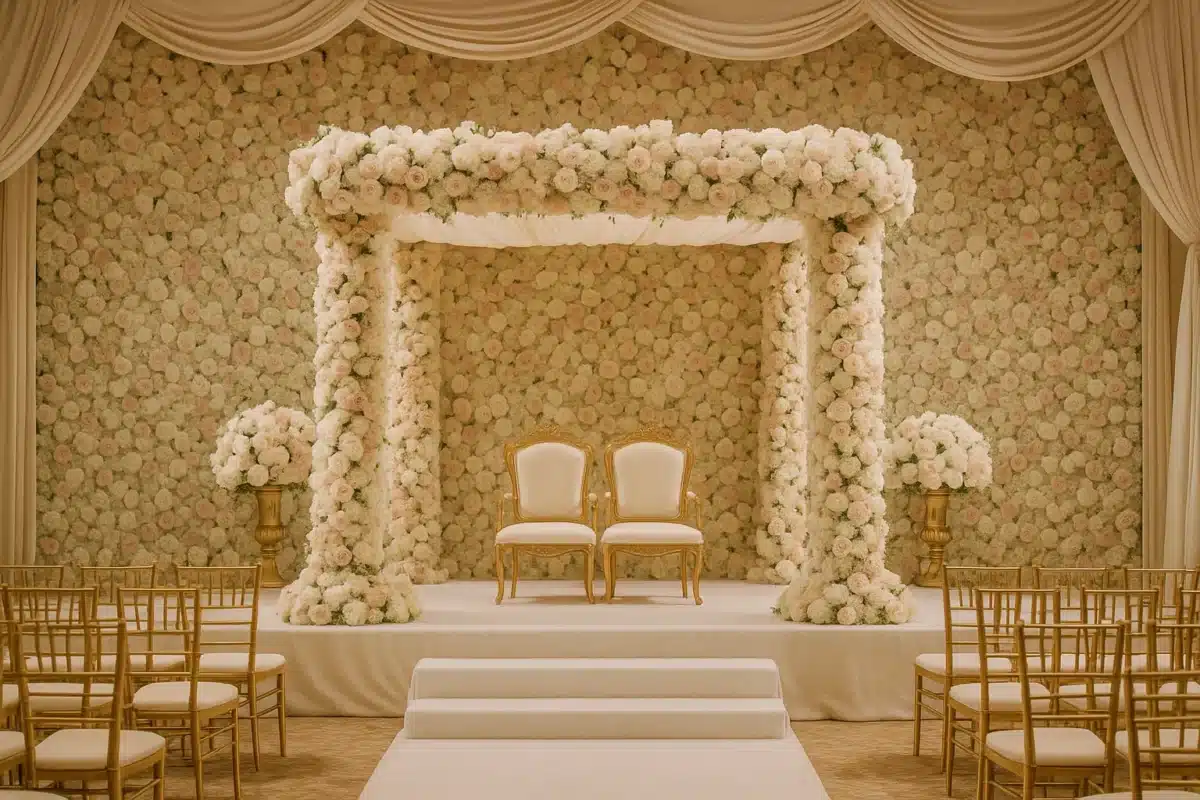
The chuppah is a symbolic canopy representing the couple’s new home. Its four poles are held or freestanding, often adorned with fresh flowers or family tallit (prayer shawls).
1.3 The Breaking of the Glass
This iconic moment signifies the fragility of life and the destruction of the Holy Temple. It ends the ceremony with a cheer of “Mazel Tov!”
1.4 Circling and Blessings
The bride circles the groom (and vice versa in modern weddings) seven times, representing the creation of a spiritual home. Seven blessings, or Sheva Brachot, are then recited.
Chapter 2: Planning a Jewish Wedding from Start to Finish
2.1 Choosing the Date
Avoid Shabbat (Friday evening to Saturday evening) and major Jewish holidays. Consult a Jewish calendar or rabbi for guidance.
2.2 Venue and Chuppah Location
Indoor or outdoor, traditional or modern—ensure your space accommodates the chuppah and is suitable for rituals like the hora dance and reception blessings.
2.3 Kosher Catering and Wine
Food and drink must comply with kosher dietary laws if the wedding is religiously observant. Many modern weddings opt for kosher-style menus.
2.4 Attire: Modesty Meets Style
Dress codes may vary depending on the level of observance. Brides may wear sleeves or cover shoulders. Yarmulkes (kippot) are often provided for male guests.
2.5 Music and Dancing
Live bands that can perform traditional Jewish melodies and lead the hora are essential. Music brings the ruach (spirit) to life.
Chapter 3: Personal Touches and Modern Trends
3.1 Interfaith and Egalitarian Ceremonies
Many modern Jewish weddings blend multiple traditions. Planners must create inclusive, respectful ceremonies while maintaining Jewish core values.
3.2 Murs de fleurs and Luxury Decor
Floral chuppahs and custom flower walls are a rising trend, creating stunning backdrops that elevate the ceremonial and reception ambiance.
3.3 Eco-Conscious Celebrations
From reusable decor to sustainable catering, eco-friendly choices align beautifully with the Jewish principle of “Tikkun Olam” (repairing the world).
3.4 Livestreaming for Global Family
With many guests abroad, high-quality livestreaming has become a must-have service. Ensure privacy while offering access to remote loved ones.
Chapter 4: Overcoming Planning Challenges
4.1 Navigating Traditions vs. Modern Expectations
The biggest challenge is balancing the needs of religious family members with the couple’s personal vision. Open communication and rabbinic guidance help.
4.2 Vendor Familiarity with Rituals
Ensure your DJ, caterer, florist, and photographer understand the flow of a Jewish wedding. For example, some moments cannot be missed or repeated.
4.3 Logistics and Timing
Ceremony timing must align with sunset (for traditional weddings), while the reception includes multiple mini-ceremonies like motzi (blessing over bread) and Sheva Brachot.
Chapter 5: From Experience to Expertise
When we planned our first full-service Jewish wedding in a remote outdoor venue, the biggest hurdle was securing a rabbi willing to travel and provide a mobile ark. We adapted with technology, working closely with both religious leaders and a multi-faith planning team.
The flower wall backdrop we installed under the chuppah became a visual centerpiece, receiving glowing feedback from both the couple and guests. Our biggest lesson? Preparation is nothing without cultural sensitivity and live problem-solving.
Chapter 6: Expert Tips and Scientific Planning Tools
6.1 Structured Planning Timeline
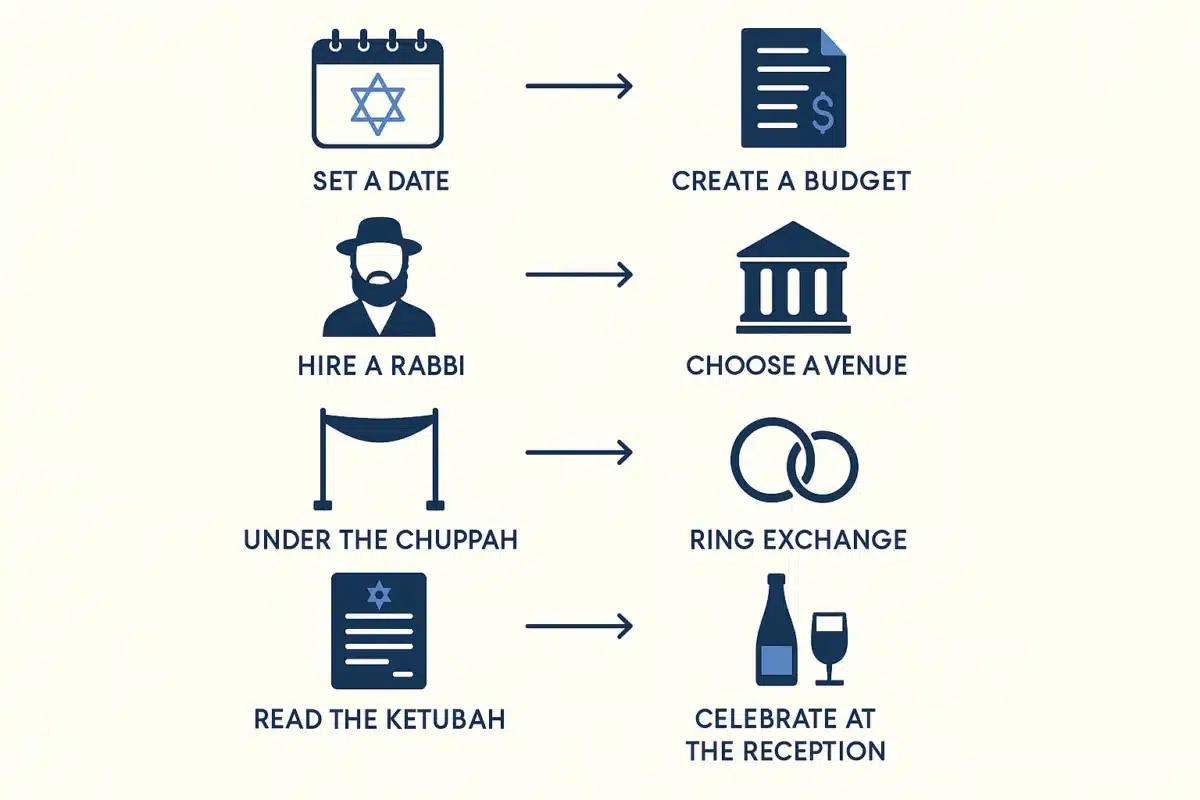
- 12 months: Secure rabbi, venue, caterer
- 8 months: Finalize guest list, decor concept
- 4 months: Confirm kosher menu, rentals
- 2 months: Rehearsal and vendor walkthroughs
6.2 Psychology Behind Rituals
Many Jewish wedding rituals (like circling or breaking the glass) reinforce group bonding and emotional significance, enhancing guest experience.
6.3 Differentiated Advice for Various Users
- First-time couples: Focus on tradition; lean on family and clergy
- Wedding planners: Coordinate with kosher vendors and manage time blocks precisely
- Distributors: Provide modular decor options that suit indoor/outdoor settings
Conclusion: A Wedding That Honors and Inspires
Jewish weddings are a beautiful blend of history, joy, and deep symbolism. From sacred rituals to joyful dancing, every element reflects a cultural commitment to community and love. For vendors and planners, understanding both the spiritual and logistical components is the key to delivering exceptional results.
Whether you’re planning your own wedding or curating luxury experiences for clients, remember that every detail—from a flower wall to a ketubah stand—can transform a moment into a lifelong memory.
Foire aux questions (FAQ)
Q1: What is the best time to hold a Jewish wedding?
Avoid Shabbat and major Jewish holidays. Sunday or weekday evenings are common choices.
Q2: Do Jewish weddings require a rabbi?
For religious authenticity, yes. Some secular or interfaith ceremonies may be led by other officiants.
Q3: What should guests wear to a Jewish wedding?
Modest and elegant attire is appreciated. Men often wear a yarmulke provided at the venue.
Q4: How long does a typical Jewish wedding ceremony last?
The ceremony typically runs 30–45 minutes, followed by a multi-hour reception.
Q5: Can I incorporate modern decor into a traditional Jewish wedding?
Absolutely. Elements like flower walls, lighting, and live entertainment can be included respectfully.
Contact Us for Elegant Jewish Wedding Solutions
If you’re looking to elevate your Jewish wedding with custom flower walls, high-end decor, or full-service planning insights, we’re here to help.
📧 info@eventflowerwall.com
📞 WhatsApp : +8615266214311
🌐 https://eventflowerwall.com
Let us bring tradition and innovation together for your unforgettable celebration.