
Blog
Coût des robes de mariée : Votre guide des robes de demoiselle d'honneur 2025
Sep
Wedding Dress Cost
Who Has Traditionally Paid for the Bride’s Dress?
Historical Norms
Traditionally in the West, the bride’s family (parents) would cover the cost of the wedding dress. This followed etiquette guidelines that the bride’s family covered the wedding cost in full.
This reflected:
- Family status or wealth
- Generational gifting
- Parental blessings or legacy
Cultural Variations
In some cultures the groom’s family would provide for the bride’s dress or attire as part of dowry. In others, the bride herself would select and purchase her gown as an independent transaction.
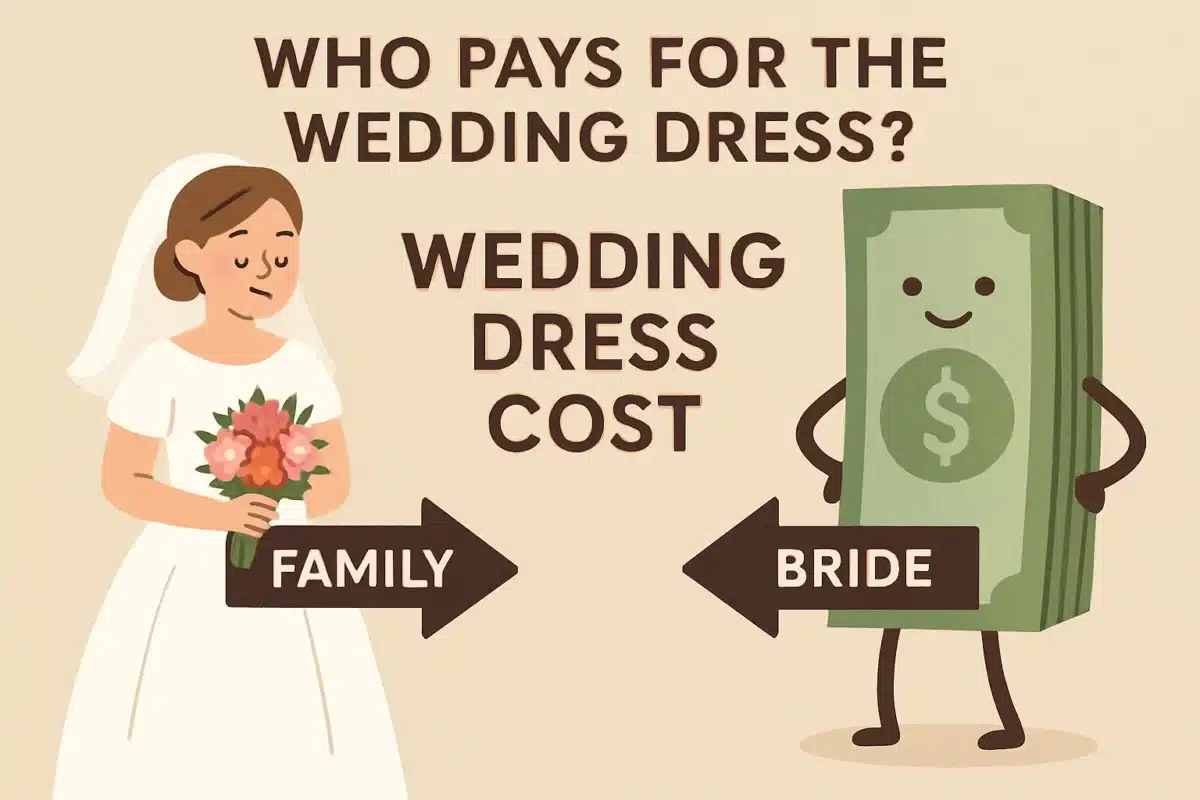
Who Pays for the Wedding Dress Today?
Wedding Attire Spending Habits in 2025
Wedding Dress: the dress costs were shared by all involved couples by 40%
Bride: 50–60% of the bride’s family cover the costs
Groom: 5–10% of the groom’s family cover the costs
Split: 5–10% of the cost was shared
The reality is that the way couples approach paying for the bridal dress has become much more varied.
| Buyer | Percentage (Estimated) | Notes |
|---|---|---|
| Bride Herself | 50–60% | Self-costed by the bride into personal or shared budget |
| Bride’s Parents | 25–30% | Often for the first marriage or traditional ceremony |
| Groom or Family | 5–10% | Not uncommon to include the groom’s side in budget planning |
| Shared Couples | 5–10% | Negotiated within the wedding’s total budget |
In the US, Europe, and many global markets, the single most common way that the dress is paid for is by the bride herself. This is not a purely American trend, but a new global standard as more brides seek autonomy and self-reliance.
Why This Shift Matters for Wedding Supply Professionals
Who pays for the bride’s dress – and for how much – gives you a window into how the overall wedding budget is constructed. In turn, that allows you to better tailor your product, sales, and marketing messages to capture their wallet share.
- Independent Brides = Independent Buyers
Budgeting for the dress herself is one of the first steps many brides take towards a wedding. If she is covering her own costs, you can expect she will also manage most other vendor relationships herself.
Actionable Tips for Suppliers:
- Create direct-to-consumer advertising channels (Facebook, Instagram) through wedding planners or online platforms
- Appeal to personalization, speed to market, and trend-forward merchandise assortments
- Parents Paying? More Traditional Elegance
The bride’s family (parents) as payers usually equates to a more formal and traditional styling on the big day. You’ll likely be working with established tastes.
Actionable Tips for Suppliers:
- Maintain inventory of elegant arches, gold/silver charger plates, neutral wallflowers
- Print and offer easy-to-share PDF catalogs for less-tech-savvy older buyers
- Groom’s Side Contributing? Collaborative Decisions
If the groom or his family provides for dress costs, they may also be involved in other aspects of wedding budgeting. Expect to be fielding questions from both sides.
Actionable Tips for Suppliers:
- Identify universal styles, bundled packages, and multi-cultural decor items
- Translate key materials into other languages or consider international shipping
L'impact de la robe de mariée sur l'ensemble du look du mariage
The Bride’s Dress Sets the Aesthetic
The wedding dress is the starting point for the overall wedding design. The brides usually select the venue, theme, florals, lighting, and color scheme to fit their gown.
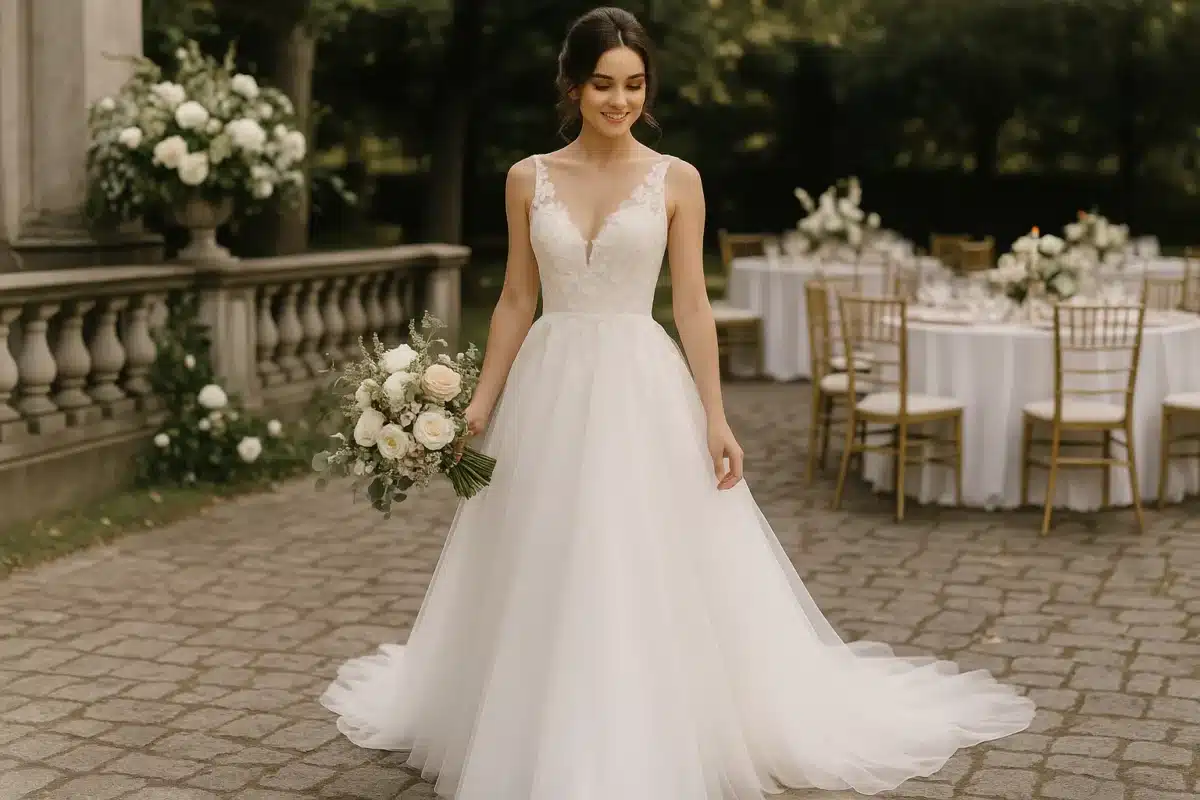
The dress defines:
- Style – bohemian, formal, minimalist, etc.
- Color – pure white, ivory, blush, champagne, etc.
- Fabric – lace, satin, tulle, organza, etc.
Meaning for Decor Suppliers
Wedding decor is now almost secondary to the style of the gown. Bridal fashion trends can often be tracked as wedding supply trends as well.
- Boho Gowns Drive Natural Decor Demand
- Macramé backdrops
- Rustic arches
- Pampas grass centerpieces
- Minimalist Dresses Match Modern Decor Tastes
- Clean floral walls
- Neutral color palettes
- Formes géométriques
- Princess Gowns Call for Romantic Additions
- Fairy lights
- Pink and gold accents
- Soft, flower-heavy installations
- Sheath and Slip Dresses Inspire Sleek Minimalism
- Abstract installations
- Metallic finishes
- Simple geometric lines
- Ball Gowns Pair With Over-The-Top Extravagance
- Ornate sculptural arches
- Luxurious gold tableware
- Lush flowers everywhere
Wedding Dress Cost Trends: Now and Into 2025
What the Bride Pays for the Dress in 2025 (On Average)
| Wedding Dress Style | Price Range | Notes |
|---|---|---|
| Off-the-Rack Bridal Gowns | $500 – $1,200 | Most popular for elopements or micro-weddings |
| Custom Made or Designer Dresses | $2,000 – $6,000 | Brides willing to splurge on a statement or competition dress |
| Second-Hand or Sustainable | $300 – $900 | Second-hand/vintage dresses growing among eco-friendly brides |
The more varied that bridal fashion becomes, the more wedding decor must diversify as well to service the attendant micro styles.
Conclusion: The Bridesmaid Dress as Your Business Barometer
Knowing who pays for the bride’s dress, how much, and when throughout the buying journey offers a glimpse into:
- Who holds decision-making power in decor/planning
- Which style directions will be in demand
- What the real-world wedding budget pie looks like
For wedding decor suppliers, event product distributors, and related businesses, mapping your product lines along the same path as the bride’s budget can bring you closer to aligning with her vision.
Need to gain a leg up over the competition in an evolving industry? Let the wedding dress be your compass – and make sure you have the right floral walls, backdrops, and table accents in stock when the bride hits the shops.
FAQ
Q1: Is it still customary for the bride’s parents to cover the cost of the dress?
A1: Yes, it is still very common, though no longer expected. It is now most common for a bride to purchase the gown herself.
Q2: How does the bride’s dress style impact wedding supply demand?
A2: The style and tone of the gown almost always sets the rest of the wedding theme. Think bridal fashion as setting the stage for everything from venue to florals.
Q3: Should wedding supply businesses keep up with bridal gown trends?
A3: Yes, the demand for wedding decor shifts as bridal fashion shifts. Matching your supply to what’s in style (minimalist gowns, boho gowns, maximalist dresses) will help you stay relevant.
Q4: How can suppliers ensure their products align with bridal budgets?
A4: Create pricing tiers, essential product bundles, and product categories that can be cross-sold based on popular bridal styles.
Q5: In what ways can the groom or his family influence wedding decor choices?
A5: When they are included in financial and vendor decisions, they usually play a supporting but engaged role. Clear ROI-based proposals for your supplies can help you close with their approval.
Need Help Aligning Your Product Mix to Bridal Trends?
If you are in the business of supplying wedding arches, flower walls, lighting, or tabletop decor, learning how to align your business with the current state of bridal spending habits is key to recurring revenue.
📧 info@eventflowerwall.com
📱 WhatsApp Us
🌐 Visit our Website
Let’s help you turn your wedding product business into a brand that stays relevant one dress-inspired wedding at a time.