
Blog
Best Practices for Long-Term Flower Wall Storage
Nov
Table of Contents
- Introduction
- Understanding Flower Walls
- Best Practices for Long Term Flower Wall Storage
- Conclusion
- FAQ
- Flower Wall Storage
- Flower Wall Design
- Flower Wall Installation
- Flower Wall Ideas
- Flower Wall Designs
- Fresh Flower Wall
- Artificial Flower Wall
Flower walls are increasingly becoming a popular choice for event backdrops, photo opportunities, and decorative elements for weddings, corporate events, and social gatherings. However, their beauty and durability require proper care and storage to maintain their quality and appeal for future use. Distributors, wholesalers, and procurement professionals in the flower wall business must implement best practices for longterm storage to maximize the product¡¯s lifespan and minimize waste and loss. This article aims to provide comprehensive guidelines and tips on storing flower walls effectively for long periods while maintaining their aesthetics and functionality. By following these best practices, stakeholders in the flower wall industry can save costs, increase their investment¡¯s longevity, and deliver better quality products and services to their customers.
Understanding Flower Walls
What Are Flower Walls?
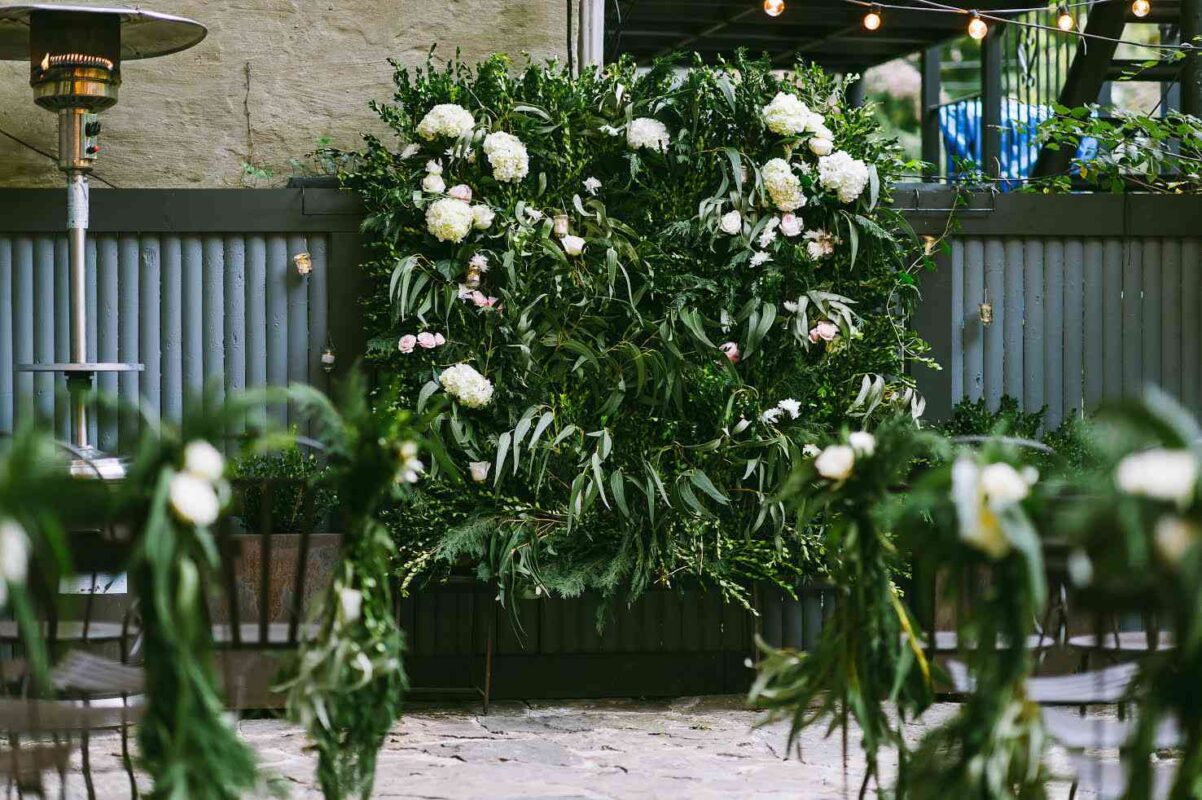
Flower walls are decorative structures made up of various artificial flowers, foliage, and materials used as backdrops for events, photo opportunities, or decorative elements that enhance the overall ambiance. They are typically made of highquality materials that mimic the appearance and texture of real flowers.
The Importance of Proper Storage
Proper storage is crucial to maintaining the quality and appearance of flower walls. Environmental factors such as light, humidity, and temperature fluctuations can cause damage over time. Additionally, mishandling during storage can lead to bent stems, crushed petals, and fading colors. Implementing best practices for longterm flower wall storage is essential to ensure they remain in excellent condition for future use.
Best Practices for Long Term Flower Wall Storage
- Cleaning Before Storage
Importance of Cleaning
Cleaning flower walls before storage is an essential step that cannot be overlooked. Dust and debris can accumulate on the surfaces of the flower wall, leading to discoloration and deterioration over time. In addition to this, dirt and dust can attract pests and cause mold to grow on the materials, further compromising their quality.
Cleaning Process
Dust the Flower Wall: Use a soft, dry cloth or a feather duster to gently remove the dust on the flower wall. Avoid using abrasive materials that could scratch the surface of the flowers.
Spot Clean: For any stains or marks, use a mild soap solution and a soft cloth to gently scrub the affected area. It is important to test the soap solution on a small, inconspicuous area first to ensure it does not damage the material.
Dry the Flower Wall: Allow the flower wall to air dry completely before storage. Moisture can cause mold and mildew to grow, which can damage the materials.
- Disassembly for Storage
Benefits of Disassembly
If the flower wall is modular, it is best to disassemble it into smaller sections before storage. This will make it easier to handle, transport, and store. Additionally, disassembly reduces the risk of damage during storage and makes it easier to transport the materials to and from storage.
Disassembly Steps
Remove Flowers and Foliage: Carefully detach any removable flowers or foliage from the base structure. Be careful not to bend or break the stems in the process.
Label Components: It is important to label each section or panel as it is disassembled. This will make it easier to reassemble quickly when the flower wall is needed for use.
Store Separately: Store flowers and foliage in separate containers to prevent them from getting crushed or tangled during storage.
- Choosing the Right Storage Environment
Ideal Conditions
The storage environment plays a critical role in determining the longevity of flower walls. Some of the key factors to consider include temperature, humidity, and light exposure.
Temperature Control: Flower walls should be stored in a cool, dry area away from direct sunlight. Extreme temperatures can cause materials to warp or fade.
Humidity Levels: The humidity level should be kept between 30% and 50%. Excess moisture can cause mold to grow, while overly dry conditions can cause materials to become brittle.
Light Exposure: Flower walls should be kept away from direct sunlight or fluorescent lighting, which can cause colors to fade over time.
- Proper Packaging
Importance of Packaging
Packaging is an essential aspect of longterm storage that cannot be ignored. Proper packaging prevents physical damage and protects the materials from environmental factors such as light, moisture, and dust.
Recommended Packaging Materials
Boxes: Boxes made of sturdy cardboard or plastic are ideal for storing flower wall sections. Ensure the boxes are large enough to accommodate the components without forcing them in.
Protective Wrap: Wrap individual flower panels in bubble wrap or tissue paper to provide cushioning and prevent scratches or bends.
Moisture Absorbers: Place silica gel packets or other moistureabsorbing materials inside the storage boxes to control humidity levels.
- Organizing Storage Space
Efficient Organization
An organized storage space is key to streamlining the retrieval and reassembly of flower walls for future use. It is essential to establish a system that makes it easy to locate specific components when needed.
Tips for Organization
Label Storage Areas: Clearly label shelves, boxes, or bins containing flower wall components. This will help quickly identify where each piece is stored.
Create an Inventory: Maintain an inventory list of all flower wall components, including quantities and descriptions. This will assist in tracking what is available and what may need to be replaced.
Use Shelving Units: Consider using shelving units to maximize vertical space and keep flower wall components off the ground, reducing the risk of damage.
- Regular Inspections
Importance of Inspections
Regular inspections of stored flower walls can help identify potential issues before they become significant problems. Early detection allows for timely repairs or cleaning to prevent further damage.
Inspection Process
Frequency: Schedule inspections at least once every few months or before the start of a busy event season.
Check for Damage: Look for signs of wear, such as bent stems, loose petals, or discoloration. Address any issues immediately to prevent further damage.
Clean as Needed: If dust or debris has accumulated during storage, perform a light cleaning to keep the flower wall in optimal condition.
Conclusion
Best practices for longterm flower wall storage are essential for maintaining the quality and longevity of these decorative installations. By following the guidelines provided in this article, distributors, wholesalers, and procurement professionals in the flower wall business can ensure their products remain in excellent condition for future use. Cleaning, disassembly, environmental control, packaging, organization, and regular inspections are critical components of effective flower wall storage. By implementing these best practices, stakeholders in the flower wall industry can save costs, increase their investment¡¯s longevity, and deliver better quality products and services to their customers. As the demand for beautiful event decor grows, mastering the art of flower wall storage will position businesses for success in the competitive event industry.
FAQ
What are flower walls?
Flower walls are decorative installations made of artificial flowers and foliage used as backdrops, photo opportunities, or decorative elements that enhance the ambiance.
Why is proper storage important for flower walls?
Proper storage is crucial for maintaining the quality and appearance of flower walls, preventing damage from environmental factors, and ensuring they remain in good condition for future use.
How should I clean flower walls before storage?
Dust the flower wall with a soft cloth, spot clean any stains with a mild soap solution, and allow it to air dry completely before storage.
Is it necessary to disassemble flower walls for storage?
Disassembling flower walls into smaller sections can make storage more efficient and reduce the risk of damage, especially for modular designs.
What are the ideal storage conditions for flower walls?
Store flower walls in a cool, dry area with controlled humidity levels (30% to 50%) and away from direct sunlight to prevent fading and deterioration.
What packaging materials should I use for flower wall storage?
Use sturdy boxes for storage, wrap individual panels in bubble wrap or tissue paper, and consider adding moisture absorbers to control humidity levels.
How often should I inspect stored flower walls?
Regular inspections should be conducted at least once every few months or before the start of a busy event season to identify any potential issues early.
How can I organize my flower wall storage space?
Label storage areas, maintain an inventory list of components, and use shelving units to maximize vertical space and keep items organized.
Flower Wall Storage
Flower Wall Design
Flower Wall Installation
Flower Wall Ideas
Flower Wall Designs
Fresh Flower Wall
Artificial Flower Wall
