
Blog
Floral Wall Maintenance Tips for Event Professionals
Nov
Floral walls are increasingly popular in the event industry, offering a stunning backdrop for weddings, corporate events, and social gatherings. These eyecatching installations are not only visually appealing but also create an inviting atmosphere for guests. For event professionals, distributors, and wholesalers who purchase floral walls to rent or sell, maintaining them in top condition is essential. This article provides an indepth look at maintaining floral walls, including both artificial and fresh flower installations, to help event professionals provide their clients with the best possible experience.
Understanding Floral Walls
Before delving into maintenance tips, it is crucial to understand what floral walls are and their significance in the event industry.
What Are Floral Walls?
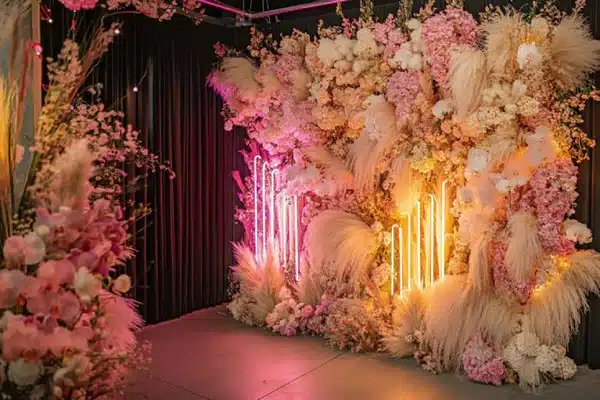
Floral walls are decorative installations made up of various flowers and foliage arranged on a frame. They can be constructed from real flowers, artificial flowers, or a combination of both, offering versatility in design and application. Floral walls can be customized to fit different themes, color schemes, and sizes, making them suitable for a wide range of events.
Importance of Maintenance
Maintenance of floral walls is important for several reasons:
- Aesthetic Appeal: Wellmaintained floral walls enhance the visual impact of events, making them more memorable for attendees.
- Longevity: Regular upkeep extends the lifespan of floral installations, allowing event professionals to maximize their investments.
- Health and Safety: For fresh flower walls, maintenance is crucial to prevent mold, pests, and other issues that could affect the health of guests.
- Client Satisfaction: Delivering a pristine floral wall contributes to overall client satisfaction and can lead to repeat business and referrals.
Maintenance Tips for Floral Walls
Now that we have a basic understanding of floral walls and their importance let¡¯s look at some maintenance tips to keep them in top condition.
- Regular Cleaning:
Importance of Cleaning
Cleaning floral walls is essential to remove dust, dirt, and debris that can accumulate over time. For artificial flowers, this helps maintain their vibrant appearance, while for fresh flowers, it prevents the buildup of bacteria and ensures longevity.
Cleaning Process
- Artificial Flowers: Use a soft, dry cloth or a feather duster to gently remove dust from artificial flowers. For stubborn stains, a damp cloth with mild soap can be used, but ensure that the flowers dry completely afterward to prevent moisture damage.
- Fresh Flowers: Lightly mist fresh flowers with water to remove any dust. Avoid soaking them, as excess water can lead to mold growth. If any petals are wilting or browning, carefully remove them to maintain the overall appearance.
- Proper Storage:
Importance of Storage
When not in use, floral walls should be stored properly to prevent damage and maintain their quality. This is especially important for artificial flowers, which can become misshapen or faded if not stored correctly.
Storage Recommendations
- Disassemble When Possible: If the floral wall is modular, disassemble it into smaller sections for easier storage. This reduces the risk of damage during transport and storage.
- Use Protective Packaging: Wrap individual components in bubble wrap or tissue paper to prevent crushing or bending. Store them in sturdy boxes labeled with their contents.
- Climate Control: Store floral walls in a cool, dry environment away from direct sunlight. Extreme temperatures and humidity can cause materials to degrade over time.
- Regular Inspections:
Importance of Inspections
Conducting regular inspections of floral walls helps identify any potential issues before they become significant problems. Early detection allows for timely repairs and maintenance.
Inspection Process
- Frequency: Inspect floral walls at least once every few months or before the start of a busy event season.
- Check for Damage: Look for signs of wear, such as bent stems, loose petals, or discoloration. Address any issues immediately to prevent further damage.
- Assess Stability: Ensure that the frame and structure of the floral wall are stable and secure. Tighten any loose connections and replace any damaged components.
- Watering and Hydration (For Fresh Flower Walls):
Importance of Hydration
For floral walls made with fresh flowers, proper hydration is critical to maintaining their freshness and appearance throughout the event.
Watering Techniques
- PreEvent Preparation: Before setting up the floral wall, hydrate the fresh flowers by cutting the stems at an angle and placing them in water for several hours. This allows them to absorb moisture effectively.
- Use Floral Foam: If using floral foam, soak it in water before inserting the flower stems. This will provide a continuous source of moisture to the flowers during the event.
- Misting: During the event, lightly mist the flowers with water every few hours to keep them hydrated and fresh. Avoid oversaturating, as excess water can lead to mold growth.
- Temperature Control:
Importance of Temperature
Maintaining the right temperature is vital for the longevity of both artificial and fresh flower walls. Extreme temperatures can cause materials to warp, fade, or deteriorate.
Temperature Guidelines
- Ideal Range: Keep floral walls in a temperaturecontrolled environment, ideally between 60¡ãF to 75¡ãF (15¡ãC to 24¡ãC). Avoid placing them in direct sunlight or near heat sources.
- Indoor vs. Outdoor Events: For outdoor events, consider the weather conditions and provide shade or cooling solutions to protect fresh flowers from heat exposure.
- Repair and Replacement:
Importance of Repairs
Over time, even the bestmaintained floral walls may require repairs or replacements to keep them looking their best.
Repair Process
- Identify Damaged Components: Regular inspections will help identify any damaged flowers, stems, or structural elements that need attention.
- Replace Wilting Flowers: For fresh flower walls, replace any wilting or browning flowers promptly to maintain the overall appearance. For artificial flowers, replace any that have faded or become damaged.
- Reinforce the Structure: Ensure that the frame is sturdy and secure. If any connections are loose or broken, repair or replace them to avoid collapse during an event.
- Client Education:
Importance of Client Education
Educating clients about the care and maintenance of floral walls can enhance their appreciation for the product and ensure its longevity.
Educational Strategies
- Provide Care Instructions: Offer clients detailed care instructions for floral walls, including cleaning, watering, and storage tips.
- Demonstrate Maintenance: If possible, demonstrate proper maintenance techniques during setup, allowing clients to see firsthand how to care for their floral wall.
- Encourage Feedback: Ask clients for feedback on the floral wall¡¯s performance during their event. This can provide valuable insights for future improvements and help build stronger client relationships.
Conclusion
Floral walls are a powerful tool for event professionals looking to enhance the aesthetic appeal of their events. However, to ensure their longevity and maintain their beauty, proper maintenance is essential. By following the tips outlined in this article¡ªregular cleaning, proper storage, routine inspections, hydration techniques for fresh flowers, temperature control, repair and replacement strategies, and client education¡ªevent professionals can ensure that their floral walls remain stunning and functional for multiple events. As the demand for unique and visually appealing decor continues to grow, mastering floral wall maintenance will position businesses for success in the competitive event industry.
FAQ
What are floral walls made of?
Floral walls can be made of artificial flowers, fresh flowers, or a combination of both. The choice depends on the desired aesthetic and the event¡¯s requirements.
How often should I clean floral walls?
Floral walls should be cleaned regularly, ideally before and after each event. For artificial flowers, dusting should be done every few months, while fresh flowers should be misted as needed.
How should I store floral walls when not in use?
Store floral walls in a cool, dry place away from direct sunlight. Disassemble modular walls, wrap components in protective materials, and use sturdy boxes for storage.
What is the ideal temperature for floral walls?
The ideal temperature for floral walls is between 60¡ãF to 75¡ãF (15¡ãC to 24¡ãC). Avoid exposing them to extreme heat or cold, as this can damage the materials.
How can I keep fresh flower walls hydrated during an event?
Hydrate fresh flowers before the event by cutting the stems and placing them in water. Use floral foam soaked in water and mist the flowers periodically during the event.
What should I do if flowers on the wall start to wilt?
Replace any wilting or browning flowers promptly to maintain the overall appearance. For fresh flowers, ensure they are adequately hydrated. For artificial flowers, replace any damaged pieces.
How can I repair a damaged floral wall?
Identify the damaged components during regular inspections. Replace wilting flowers, reinforce the structure, and repair or replace any broken connections to maintain stability.
Can I use floral walls for outdoor events?
Yes, floral walls can be used for outdoor events. However, it is essential to consider weather conditions and provide shade or cooling solutions to protect fresh flowers from heat exposure.
