
Blog
How to Build a Photo Booth with a Flower Wall Backdrop
Nov
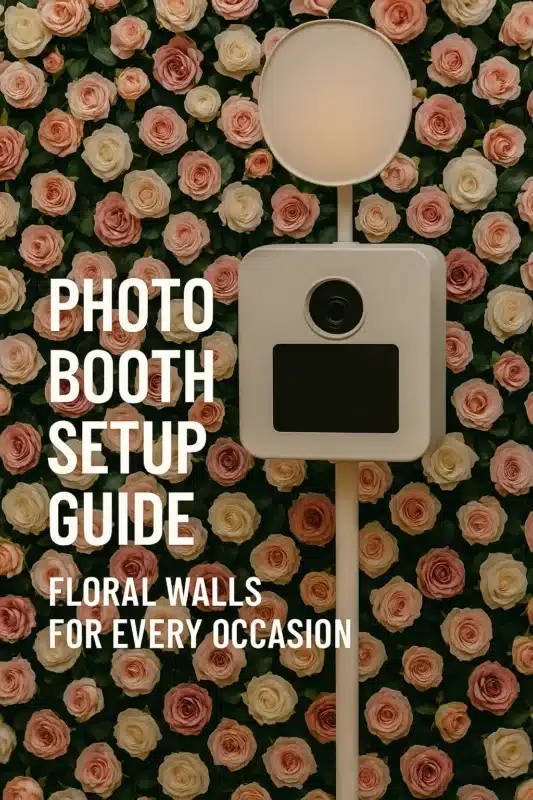
Building a photo booth with a flower wall backdrop has become an increasingly popular trend for events of all types, from weddings and corporate functions to parties and celebrations. A flower wall not only enhances the visual appeal of a photo booth but also provides a unique and captivating setting for guests to interact with, take photos, and create memorable moments. For distributors, wholesalers, and procurement professionals in the event industry, it is essential to be knowledgeable about how to effectively build and install a photo booth with a flower wall backdrop to meet the growing demand for such setups. In this article, we will provide a comprehensive guide on building a flower wall backdrop, including design ideas, practical tips for construction and installation, and best practices for using it in different event settings.
The Appeal of Flower Wall Backdrops
- Visual Impact
Creating Stunning Aesthetics
Flower walls are visually striking and can transform any space into a beautiful setting for events. They add a pop of color, texture, and interest to an otherwise plain wall, creating an eyecatching backdrop for photos and creating a focal point for guests.
- Vibrant Colors: A welldesigned flower wall can feature a variety of colors, creating a lively and inviting atmosphere that enhances the overall aesthetic of the event.
- Textural Variety: The combination of different flower types, sizes, and textures adds depth to the backdrop, making it a captivating focal point for photographs.
- Versatility for Any Event
Suitable for Various Occasions
Flower wall backdrops are versatile and can be adapted for a range of events. They can be customized to fit the theme and style of the event, making them suitable for weddings, corporate events, parties, and more.
- Weddings: They can serve as a romantic backdrop for wedding ceremonies, receptions, or photo opportunities.
- Corporate Events: Flower walls can be customized to reflect corporate branding, making them suitable for product launches or promotional events.
- Parties and Celebrations: From birthday parties to baby showers, a flower wall can add a festive touch to any gathering.
- Enhancing Guest Experience
Creating Memorable Moments
A flower wall backdrop not only enhances the visual appeal of an event but also creates memorable experiences for guests. It serves as an interactive element that encourages guests to engage and interact with each other and the space.
- Photo Opportunities: Guests are naturally drawn to beautiful backdrops, encouraging them to take photos that capture the moment and create lasting memories.
- Interactive Element: A photo booth with a flower wall invites guests to engage and interact, making the event more enjoyable and memorable.
Designing the Flower Wall Backdrop
- Choosing the Right Flowers
Selecting Materials
The choice of flowers is critical in creating an appealing flower wall backdrop. It is important to consider factors such as color, texture, and maintenance when selecting flowers for the wall.
- Artificial vs. Real Flowers: Decide whether to use artificial flowers, which require less maintenance, or real flowers, which offer a fresh and fragrant option. Artificial flowers are often more durable and can be reused for multiple events.
- Color Palette: Choose a color palette that complements the event theme. Consider using a mix of colors for a vibrant look or sticking to a monochromatic scheme for a more elegant feel.
- Wall Structure
Building the Framework
The stability of the flower wall is essential for its success as a photo booth backdrop. It is important to use sturdy materials and construction techniques to ensure the wall can support the weight of the flowers and withstand any interactions from guests.
- Materials Needed: Use sturdy materials such as plywood, PVC pipes, or metal frames to create the wall structure. Ensure that the framework is strong enough to support the weight of the flowers.
- Size Considerations: Determine the size of the wall based on the available space and the number of guests expected. A larger wall can accommodate more people and create a more impactful backdrop, while a smaller wall may be more suitable for intimate gatherings.
- Arrangement Techniques
Designing the Layout
The way flowers are arranged on the wall can significantly affect the overall look of the flower wall backdrop.
- Full Coverage vs. Partial Coverage: Decide whether to cover the entire wall with flowers or to leave some areas exposed for a more modern look. Full coverage creates a lush, gardenlike effect, while partial coverage can provide a contemporary feel.
- Layering Flowers: Use different flower types and sizes to create depth. Place larger flowers in the back and smaller ones in the front to achieve a threedimensional effect.
Assembling the Flower Wall
- Preparing the Framework
Initial Setup
Begin by setting up the wall structure according to the design and materials chosen. Ensure that the framework is stable and secure before moving on to the next step.
- Secure the Base: Make sure the base of the wall is stable and secure. If using a freestanding frame, consider adding weights at the bottom to prevent it from tipping over.
- Attach the Panels: If using multiple panels, securely attach them together to form a cohesive backdrop.
- Attaching the Flowers
Flower Placement
Once the framework is in place, begin attaching the flowers to the wall. This process can be timeconsuming, so it is important to have patience and attention to detail.
- Hot Glue or Zip Ties: Use hot glue or zip ties to attach the flowers to the wall. Ensure that they are securely fastened to prevent any from falling off during the event.
- Layering Technique: Start with larger flowers and fill in with smaller ones, ensuring even coverage and a balanced look.
- Final Touches
Adding Details
After the flowers are attached, add finishing touches to enhance the overall appearance of the flower wall backdrop.
- Greenery Accents: Incorporate greenery such as ferns or leaves to add texture and contrast to the flower wall.
- Lighting Options: Consider adding string lights or spotlights to illuminate the flower wall, creating a magical ambiance that enhances the overall aesthetic.
Best Practices for Maintaining the Flower Wall
- PreEvent Preparation
Ensuring Freshness
If using real flowers, preparation is key to maintaining their freshness and appearance throughout the event.
- Watering: Ensure that real flowers are adequately watered before the event. Consider using floral foam or water tubes to keep them hydrated during the event.
- Temperature Control: Keep the flower wall in a cool area before the event to prolong the freshness of the flowers.
- During the Event
Monitoring the Backdrop
Throughout the event, it is important to keep an eye on the flower wall to ensure it remains in good condition.
- Regular Checks: Assign someone to monitor the flower wall and make any necessary adjustments. This can include replacing wilted flowers or repositioning any that have shifted.
- Guest Interaction: Encourage guests to take photos in front of the wall, but remind them to be gentle to avoid damaging the flowers.
Conclusion
Building a photo booth with a flower wall backdrop is a rewarding project that can significantly enhance any event. The visual appeal, versatility, and ability to create memorable experiences for guests make flower walls a popular choice for event planners and hosts. For distributors, wholesalers, and procurement professionals in the event industry, understanding the intricacies of constructing a flower wall backdrop is essential for meeting the needs of clients seeking to elevate their events. By following the guidelines outlined in this article, you can create a stunning flower wall that serves as a captivating focal point for guests, encouraging interaction and creating lasting memories.
FAQ
What materials do I need to build a flower wall backdrop?
To build a flower wall, you will need a sturdy framework (such as plywood or PVC pipes), artificial or real flowers, hot glue or zip ties for attachment, and possibly greenery for added texture. Additional materials may include lighting options and decorative accents.
How do I choose between artificial and real flowers for my flower wall?
Artificial flowers are often more durable and require less maintenance, making them suitable for multiple events. Real flowers offer a fresh and fragrant option but require more care to maintain their appearance. Consider the event¡¯s duration, budget, and desired aesthetic when making your choice.
What size should my flower wall be?
The size of your flower wall should depend on the available space and the number of guests expected. A larger wall can accommodate more people and create a more impactful backdrop, while a smaller wall may be more suitable for intimate gatherings.
How can I ensure my flower wall looks fresh throughout the event?
If using real flowers, ensure they are adequately watered before the event and consider using floral foam or water tubes to keep them hydrated. Monitor the wall during the event for any wilted flowers and replace them as needed.
Can I customize the flower wall to match my event theme?
Yes, flower walls can be customized to fit any event theme. Choose flowers and colors that align with the overall aesthetic of the event, and consider incorporating themed props or accents to enhance the design.
How can I enhance my flower wall with lighting?
Consider adding string lights, spotlights, or LED strips to illuminate the flower wall. Proper lighting can create a magical ambiance and highlight the beauty of the flowers, making the backdrop even more captivating.
What are some creative ways to use a flower wall backdrop?
In addition to serving as a photo booth backdrop, flower walls can be used as ceremony backdrops, focal points for table settings, or decorative elements in event spaces. They can also be integrated into branding displays for corporate events.
How do I store my flower wall after the event?
If using artificial flowers, store them in a cool, dry place to prevent damage. For real flowers, ensure they are properly disposed of or composted after the event. If the framework is reusable, disassemble it carefully and store it for future use.
