
Blog
How to Create Balanced Floral Wall Designs for Large Events
Nov
How to Create Balanced Floral Wall Designs for Large Events
Table of Contents
- Introduction
- Understanding Balance in Floral Design
- Steps to Create Balanced Floral Wall Designs
- Inspiring Floral Wall Design Ideas
- Conclusion
- FAQ
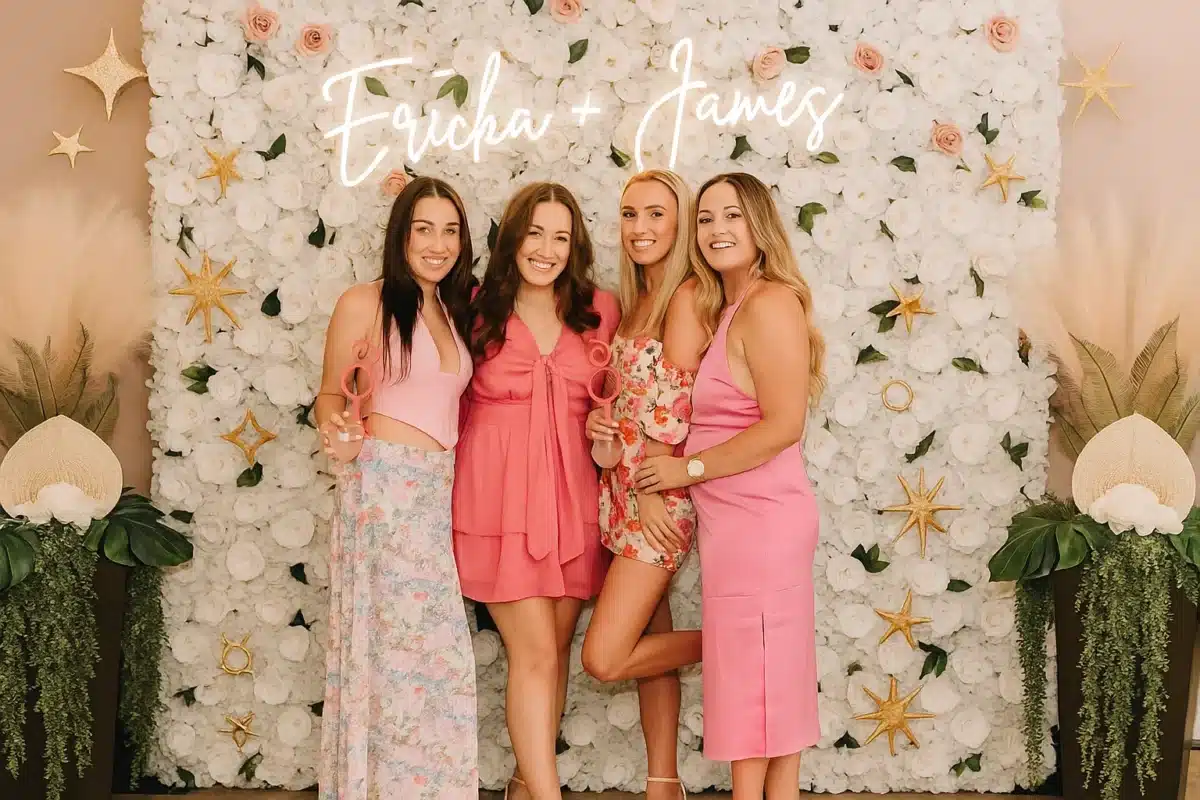
Floral wall designs have become increasingly popular for large events, serving as eyecatching backdrops that enhance the overall ambiance and aesthetic appeal. Whether it¡¯s for a wedding, corporate gathering, or festival, a welldesigned floral wall can elevate the entire event experience. These displays not only provide visual interest but also create stunning photo opportunities for guests. Designing balanced floral walls requires a keen eye for detail, an understanding of design principles, and the ability to work with a variety of materials and textures. Distributors, wholesalers, and procurement professionals in the floral industry play a crucial role in sourcing the right products and ensuring that the final designs meet the clients¡¯ expectations.
Understanding Balance in Floral Design
- The Concept of Balance
Definition and Importance
Balance in floral design refers to the distribution of visual weight within a composition. Achieving balance is essential for creating a harmonious and aesthetically pleasing arrangement. A balanced floral wall design allows the viewer¡¯s eye to move comfortably across the display, making it more engaging and appealing.
Symmetrical Balance vs. Asymmetrical Balance
Symmetrical Balance: This type of balance involves creating a mirror image on either side of a central axis. Symmetrical designs often convey a sense of formality, order, and elegance, making them suitable for upscale and formal events.
Asymmetrical Balance: Asymmetrical balance, on the other hand, involves an uneven distribution of visual weight. This can create a more dynamic, relaxed, and contemporary look, which is often favored for casual or modern events.
- Elements of Floral Design
Color
Color is a critical element in floral design that can significantly impact the balance of a floral wall. Choosing the right color palette and distributing colors evenly throughout the design is essential for creating visual harmony. Complementary colors, as well as different shades and tones of the same color, can be used to achieve a balanced look.
Texture
Texture adds depth and interest to floral designs, contributing to their overall balance. Mixing various textures, such as smooth petals and rough foliage, can create contrast and enhance the visual appeal of the floral wall.
Shape
The shapes of the flowers and foliage used in a floral design play a vital role in establishing balance. Incorporating a variety of shapes, including both symmetrical and asymmetrical forms, can add movement and flow to the arrangement.
Steps to Create Balanced Floral Wall Designs
- Planning Your Design
Establishing a Concept
Before starting the design process, it¡¯s important to have a clear concept in mind. Consider the event¡¯s theme, venue, and overall mood when planning the floral wall design. This will help in selecting appropriate flowers, colors, and design elements.
Creating a Mood Board
A mood board is a visual tool that can help you organize your ideas and make design decisions. Compile images of flowers, color palettes, textures, and any other elements that you envision for the floral wall. This will serve as a reference throughout the design process.
- Choosing the Right Materials
Artificial Flowers vs. Fresh Flowers
Decide whether to use artificial or fresh flowers for the floral wall. Artificial flowers are generally more durable and longlasting, while fresh flowers offer a more natural and fragrant option. Consider the event¡¯s duration, location, and maintenance requirements when making this decision.
Foliage and Greenery
In addition to flowers, foliage and greenery play a significant role in creating balanced floral wall designs. Incorporate a variety of leaves, ferns, and branches to add depth, contrast, and texture to the arrangement.
- Creating a Balanced Layout
Framework for the Floral Wall
Start by creating a sturdy framework to support the floral wall. This can be a wooden frame, a wire grid, or any other structure that can hold the flowers and foliage securely.
Arranging Flowers and Foliage
Begin arranging the flowers and foliage on the framework, keeping in mind the principles of balance. Distribute colors and textures evenly and create a focal point to draw attention to the arrangement.
Layering Techniques
Layering is an effective technique to add depth and dimension to the floral wall design. Arrange larger flowers in the foreground and smaller blooms in the background, gradually building up the design.
- Color Distribution
Achieving Visual Harmony
Distribute colors evenly across the floral wall to maintain visual harmony. Avoid clustering similar colors together, as this can make the design appear unbalanced. Instead, intersperse different colors throughout the arrangement.
Working with Color Palettes
Create a cohesive color palette that complements the event¡¯s theme. Stick to a limited number of complementary colors, and consider using different shades and tones of the same color for variety.
- Incorporating Texture
Enhancing Visual Interest
Mixing various textures in the floral wall design can add interest and depth. Combine smooth and rough textures, as well as delicate and bold flowers, to create a dynamic and visually engaging arrangement.
Layered Textures
Use different types of foliage and filler flowers to create layers of texture within the design. This will add complexity and prevent the arrangement from appearing monotonous.
- Final Adjustments
Evaluating Visual Weight
Step back and evaluate the overall balance of the floral wall design. Look for areas that may feel too heavy or too sparse, and adjust the placement of flowers and foliage as needed.
Making Necessary Changes
Don¡¯t hesitate to make changes to the design if something doesn¡¯t feel quite right. Sometimes, moving a single flower or adding a bit more greenery can significantly improve the overall balance of the floral wall.
Inspiring Floral Wall Design Ideas
- Elegant Wedding Floral Wall
Designing for Romance
Create a romantic and elegant floral wall for weddings by using soft colors and delicate flowers. Incorporate roses, peonies, and hydrangeas in pastel shades, and arrange them in an asymmetrical design for a balanced and visually appealing look.
- Vibrant Corporate Event Floral Wall
Reflecting Professionalism
Design a vibrant and professional floral wall for corporate events by using bold colors and modern arrangements. Choose flowers like sunflowers, lilies, and delphiniums in shades of blue, yellow, and red, and arrange them in an asymmetrical layout for a contemporary and energetic vibe.
- Seasonal Festival Floral Wall
Celebrating Nature
Design a colorful and lively floral wall for seasonal festivals that celebrate the beauty of nature. Mix flowers like daisies, marigolds, and zinnias in a range of vibrant colors, and incorporate branches, twigs, or even fruits for a more organic and festive look.
Conclusion
Creating balanced floral wall designs for large events is a rewarding process that requires careful planning, a good understanding of design principles, and attention to detail. By following the steps outlined in this article, distributors, wholesalers, and procurement professionals can craft stunning floral displays that enhance the event experience and exceed client expectations. A welldesigned floral wall serves as a focal point that captivates guests and creates lasting memories. As the demand for innovative floral designs continues to grow, mastering the art of creating balanced floral wall designs will set you apart in the competitive world of event planning.
FAQ
What are the key elements to consider when designing a floral wall?
Key elements include balance, color, texture, shape, and the overall theme of the event.
How do I choose the right materials for a floral wall?
Consider the event¡¯s duration, location, and theme. Highquality artificial flowers are suitable for longterm displays, while fresh flowers provide a more natural option for shorter events.
What is the difference between symmetrical and asymmetrical balance in floral design?
Symmetrical balance involves creating a mirror image on both sides of a central axis, while asymmetrical balance distributes visual weight unevenly, creating a more dynamic and casual look.
How can I ensure my floral wall remains visually appealing throughout the event?
Choose durable materials, conduct regular maintenance checks, and make necessary adjustments to the arrangement.
Can I mix different types of flowers in my floral wall design?
Yes, mixing various types of flowers can create visual interest and enhance the overall appeal of the design, as long as they complement each other in terms of color and texture.
How do I create a cohesive color palette for my floral wall?
Select a limited number of complementary colors that reflect the event¡¯s theme, and distribute these colors evenly throughout the design.
What are some tips for achieving balance in a large floral wall design?
Start with a sturdy framework, establish a focal point, use layering techniques, distribute colors evenly, and evaluate visual weight throughout the design process.
How can I incorporate texture into my floral wall design?
Mix flowers with different textures, such as smooth petals and rough foliage, and use various types of greenery and filler flowers to create layers of texture and depth in the arrangement.
