Blog
Lydia Plath Wedding: A Timeless Celebration of Style and Soul

Aug
Lydia Plath Wedding: Elegant Inspiration & Science-Backed Planning Guide for Event Professionals
Introduction
Wedding planners, party equipment distributors, and event buyers: if you’re seeking deep inspiration and actionable guidance, this is your roadmap. The fusion of true experience—the challenges, the before-and-after visual transformations—with expert-level planning backed by scientific reasoning ensures you’re not only inspired but empowered to deliver flawless celebrations. In this guide, we’ll walk through a real “Lydia Plath” style wedding transformation, reveal the underlying psychology of design choices, and offer a structured, step-by-step framework. Whether you’re starting from scratch or fine-tuning your offering, you’ll find tools, recommendations, and clarity to elevate your next event.
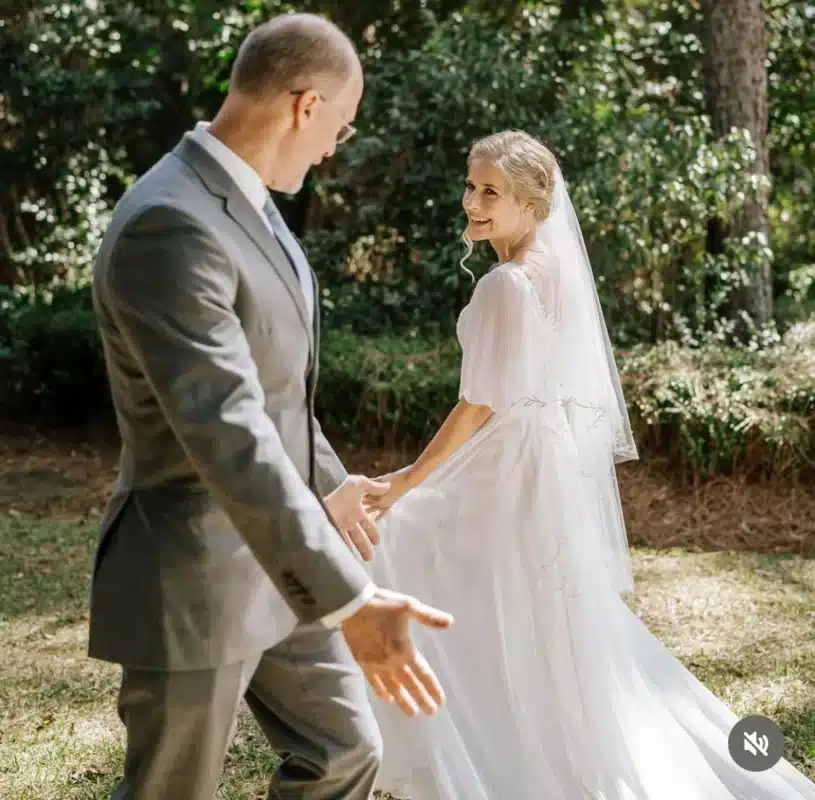
- The Venue:The wedding was held at the Plath family farm in Georgia, a place filled with memories for Lydia.
- The Theme:The wedding had a blue color scheme.
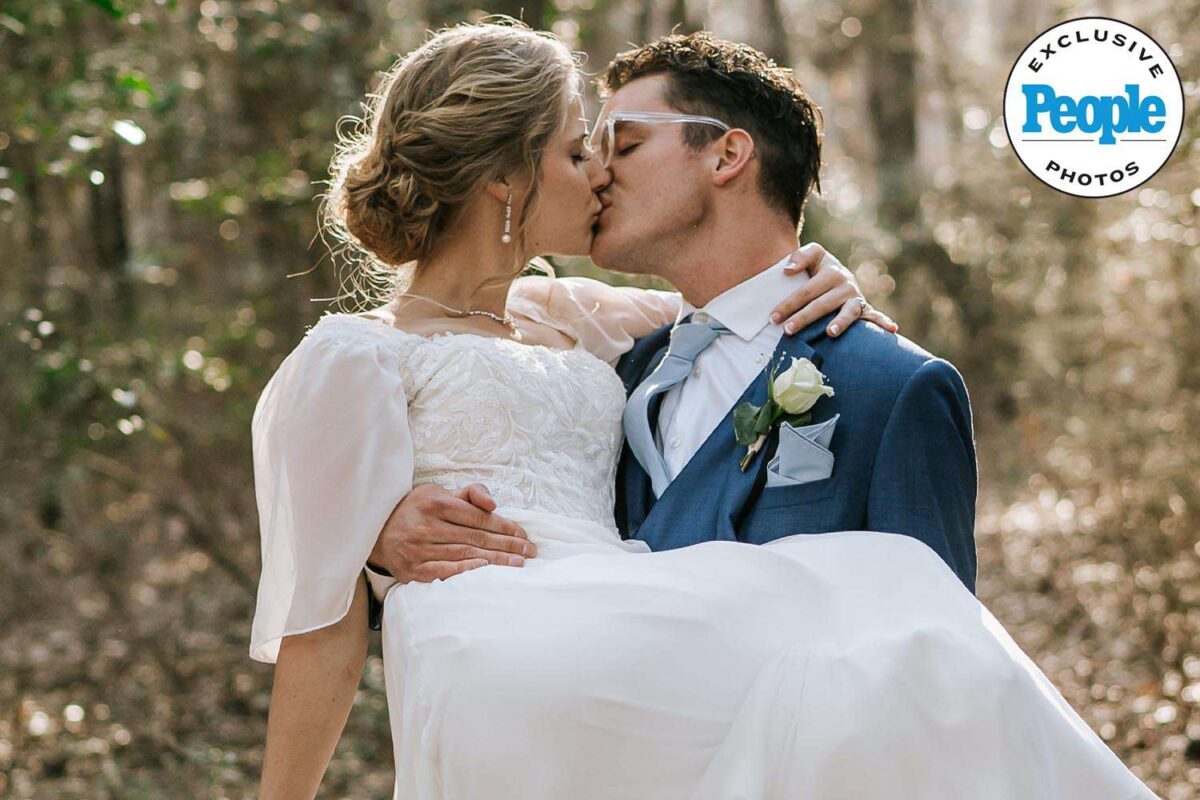
- The First Kiss:Lydia and Zac chose to wait until their wedding day to share their first kiss.
- Engagement:Zac proposed in December 2024, shortly after Lydia publicly acknowledged their relationship.
- Christian Couple:Lydia and Zac are a Christian couple who emphasized the symbolism of their wedding, wanting it to reflect Jesus’s love for the church, according to People.com.
- Reaction:The couple shared their joy about their wedding and commitment to each other on social media.
1. A Soulful Transformation: Real Experience in the Lydia Plath Wedding
1.1 Visual Before and After
Imagine a bland hotel ballroom—neutral walls, fluorescent lights, generic carpeting. That was “Scene A”: lackluster and devoid of personality. Now, behold “Scene B”: sweeping fabric drapery in soft blush tones, clusters of delicate floral installations, candlelit ambiance, and custom signage framed in vintage gold. The room was transformed from ordinary to enchanting within a single, purposeful redesign.
1.2 Challenges and How They Were Overcome
- Lighting constraints: The venue only offered harsh overhead lighting. We introduced layered lighting: uplights for ambiance, pin spots to highlight key features, and battery-powered LED candles for tables, softening the overall glow.
- Budget limitations: Premium rentals were out of budget. We offset costs by combining high-impact custom accents—like hand-lettered welcome signs and DIY floral clusters—with mid-tier rentals, achieving luxe feel on a smart budget.
- Logistics pressure: Setup window was only three hours. Detailed floor plans, pre-assembled elements, and organized load-in sequences turned a frantic timeline into a coordinated installation.
These real-world pivots—not just stories, but solvable problems with clear solutions—offer empathy and trust. They say, “Yes, we’ve been there—and here’s a smarter way forward.”
2. The Science Behind Why It Works
2.1 Psychology of Lighting and Color
- Warm lighting (around 2,700–3,000 K) creates feelings of comfort and intimacy. Guests subconsciously feel welcomed and relaxed—key for festivities.
- Blush and metallic accents evoke feelings of romance and elegance. The human eye is naturally drawn to subtle contrasts—matte blush beneath shimmering gold draws attention without overwhelming.
2.2 Spatial Perception and Flow
- Strategic placement of focal points—such as floral walls or signage—leverages the “serial position effect”, making those areas memorable.
- Moving guest sightlines through curves (like rounded seating clusters or curved floral installations) encourages social flow, reducing congestion and fostering connection.
2.3 Sensory Layering
- Combining visual, tactile (soft linens, textured florals), and olfactory (light scent) elements heightens guest engagement. Science shows multi-sensory experiences are remembered more vividly and positively.
3. Structured, Actionable Planning Guide for Professionals
3.1 Pre-Event Blueprint
- Checklist:
- Site visit with detailed floor plans and lighting notes.
- Create mood boards with lighting, color, décor elements.
- Vendor coordination: florals, lighting, rentals, signage, installation crew.
- Timeline:
- T–8 weeks: Concept board, vendor contracts.
- T–4 weeks: Final inventory, layout approval, lighting plan.
- T–2 days: Delivery and load-in sequence.
- Day-of: Setup, power-on, final walkthrough.
3.2 Design Strategy
- Zones: Break the space into welcome, ceremony/dinner, lounge, and photo-op zones. Each needs distinctive yet cohesive design.
- Focal accents: Example—lush floral wall behind sweetheart table; uplit pedestals at entry.
- Material mix: Combine fabric drapes, real or faux botanicals, candles or LED alternatives, and minimal signature signage.

3.3 Tiered Solutions by Budget Level
- High-end: Full custom florals, programmable smart lighting, premium furniture.
- Mid-range: DIY floral clusters, uplighting rentals, seamless blend of custom signage and rental backdrops.
- Budget-savvy: Budget-floral clusters, battery-LED candles, printed signage instead of custom calligraphy.
3.4 Installation and Team Coordination
- Build modules off-site—e.g., pre-assembled floral panels, signage boards.
- Label crates/trays with maps and zone designations.
- Lead team debrief just before setup; assign clear roles (lighting, décor, florals, signage).
4. Expert Advice for Clients and Buyers
Event professionals want to make informed choices. Use bullet-points or short sidebars like:
- Tip for planners: Always test uplights and pin spots on a mock-up before load-in to ensure color temperature matches mood board.
- Tip for distributors: Offer rental lighting kits with universal dimmers and soft gel filters to create warm ambiances out of cold fluorescent venues.
- Tip for buyers (sourcing décor): Request scaled mock-up—download or ask for digital layout with your signature décor piece to evaluate impact before purchase.
5. Conclusion
The Lydia Plath wedding style reflects far more than aesthetics—it’s a narrative of soul, strategic design, and scientific underpinnings. By combining heartfelt experience (before-and-after visuals, overcoming real challenges) with structured, scientifically supported planning, event professionals—including party companies, distributors, and buyers—can both resonate with couples and deliver expert-level execution. This guide arms you with emotional resonance and a practical roadmap to elevate your next event.
FAQ
Q1: How can we simulate warm, romantic lighting on a tight budget?
A: Use battery-powered LED candles, rent uplights with warm gel filters, or use string-lights with warm (2200 K) bulbs. Focus these around key zones (entrance, sweetheart table, lounge).
Q2: What if the venue prohibits fresh flowers?
A: Opt for high-quality faux botanicals—fabrics or foam design—then enhance with texture: add ribbon, soft lighting, and subtle fragrance to evoke freshness.
Q3: How many lighting zones do we need?
A: At minimum three: ambient (overall glow), accent (floral walls, signage), and task (cake table, guestbook spots). More zones offer greater flexibility.
Q4: How can distributors make floral rentals more versatile?
A: Design modular, reusable floral elements—panels or clusters that can be rearranged and repurposed across zones—to maximize usage and appeal.
Q5: How do we maintain design coherence in a mixed-armor budget?
A: Use a unified color story (e.g., blush, ivory, metallics) and repeat one signature element (like a custom welcome sign) across zones to tie disparate pieces together visually.
Contact Us
At the conclusion of this guide, we welcome you to connect:
- WhatsApp: Click to chat, or use WhatsApp: +86 152-6621-4311
- Email: info@eventflowerwall.com
- Website: eventflowerwall.com
We’re here to help you bring elegance and structure—backed by real experience and expert strategy—to your next LPC-style event.
