
Blog
Styling Tips from Event Decor Experts for Artificial Greenery Walls
Nov
Tips for Styling Artificial Greenery Walls from Floral Experts
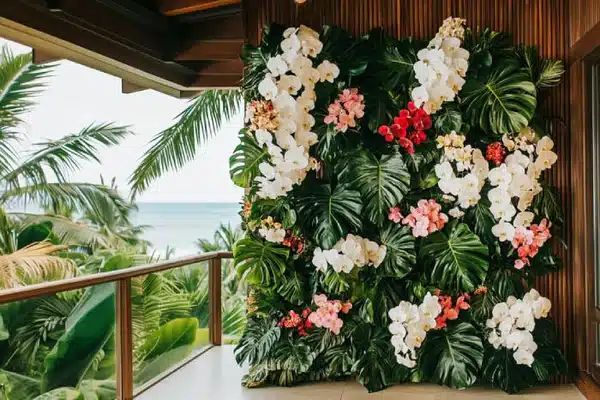
Artificial greenery walls have become a popular choice for event decor, retail displays, and interior design in recent years. These lush and vibrant installations create a stunning backdrop that can transform any space without the maintenance required for live plants. However, creating a visually appealing artificial greenery wall is not as simple as just hanging some faux leaves. It takes an understanding of styling techniques, color coordination, and spatial design. In this article, we will explore expert tips for styling artificial greenery walls to help distributors, wholesalers, and procurement professionals take their floral displays to the next level.
Understanding Artificial Greenery Walls
- Definition and Purpose
Artificial greenery walls are decorative installations made from synthetic plants and foliage designed to mimic the appearance of living walls. They can be used for a variety of purposes, including event backdrops, retail displays, and interior decor. The primary goal of these walls is to create a lush and vibrant atmosphere that enhances the overall aesthetic of a space.
Benefits of Artificial Greenery Walls
- Low Maintenance: Artificial greenery requires minimal upkeep compared to live plants, making them ideal for busy environments.
- Versatility: These walls can be customized to fit different themes, colors, and styles, making them suitable for various occasions and settings.
- Durability: Highquality artificial greenery is designed to withstand wear and tear, ensuring longevity for repeated use.
- Types of Artificial Greenery
There are several types of artificial greenery that can be used in wall installations, including:
- Faux Foliage: Leaves and branches made from plastic or silk, available in various species and colors.
- Moss Panels: Panels covered with preserved or synthetic moss, adding texture and depth.
- Succulent Arrangements: Artificial succulents that provide a threedimensional aspect to the wall.
- Floral Accents: Incorporating artificial flowers alongside greenery for added color and visual interest.
Styling Techniques for Artificial Greenery Walls
- Selecting the Right Foliage
Variety and Texture
When designing an artificial greenery wall, selecting a variety of foliage is essential. Different textures, shapes, and colors can create a more dynamic and visually appealing display. Consider incorporating:
- Large Leaves: Use oversized leaves to create focal points and add depth to the arrangement.
- Small Foliage: Smaller leaves can fill in gaps and create a lush, dense appearance.
- Vines and Trailing Plants: Adding trailing elements can create a sense of movement and softness to the wall.
Color Coordination
While greenery is predominantly green, there are many shades and tones to consider. Mixing different shades of green can create a more natural look. Additionally, incorporating foliage with variegated leaves or subtle hints of color can enhance visual interest.
- Creating Layers and Depth
Layering Techniques
To achieve a threedimensional effect, layering is essential. Start by placing larger foliage at the back and gradually add smaller leaves and accents in the front. This technique creates depth and prevents the wall from appearing flat.
Utilizing Different Heights
Incorporating varying heights in your arrangement can also add dimension. Use taller plants or structures at the back and gradually decrease the height towards the front. This approach mimics the natural growth patterns found in nature.
- Incorporating NonGreenery Elements
Adding Textural Contrast
Incorporating nongreenery elements can enhance the overall design. Consider adding materials such as:
- Wood: Wooden frames or accents can provide a rustic touch and contrast with the greenery.
- Metal: Metal elements, such as planters or decorative pieces, can add a modern flair to the wall.
- Fabric: Soft fabrics can introduce warmth and texture, making the display more inviting.
Floral Accents
Incorporating artificial flowers can add pops of color and enhance the overall aesthetic. Choose flowers that complement the greenery and align with the event¡¯s theme. For example, bright blooms can add vibrancy to a summer event, while muted tones can create a more sophisticated look for formal occasions.
- Designing for the Space
Understanding the Environment
When styling an artificial greenery wall, consider the surrounding environment. Analyze the space where the wall will be placed, including lighting, color schemes, and existing decor. This understanding will help you create a cohesive design that complements the overall aesthetic.
Scale and Proportion
Ensure that the size of the greenery wall is proportionate to the space. A large wall can overwhelm a small area, while a small display may get lost in a larger environment. Consider the scale of furniture, fixtures, and other design elements when determining the size of the greenery wall.
- Lighting Considerations
Importance of Lighting
Lighting plays a critical role in enhancing the visual appeal of artificial greenery walls. Proper lighting can highlight textures, create shadows, and set the mood for the space.
Types of Lighting
- Ambient Lighting: Soft, diffused lighting can create a warm atmosphere and enhance the overall look of the greenery wall.
- Spotlighting: Use spotlights to draw attention to specific areas or features of the wall, creating focal points.
- Backlighting: Consider backlighting the wall to create a dramatic effect, especially in evening events.
- Maintenance and Care
Regular Cleaning
Although artificial greenery requires less maintenance than live plants, regular cleaning is essential to keep them looking fresh. Dust and debris can accumulate over time, dulling the appearance of the foliage. Use a soft cloth or duster to gently clean the surface of the leaves.
Storage Considerations
When not in use, store artificial greenery in a cool, dry place to prevent damage. Avoid exposing them to direct sunlight for prolonged periods, as this can cause fading and deterioration.
Conclusion
Styling artificial greenery walls requires a blend of creativity, understanding of design principles, and attention to detail. By selecting the right foliage, creating layers and depth, incorporating nongreenery elements, and considering the environment, distributors, wholesalers, and procurement professionals can craft stunning installations that enhance any space. As the demand for artificial greenery continues to rise, mastering these styling techniques will be essential for success in the event decor industry.
FAQ
What are the advantages of using artificial greenery over live plants?
Artificial greenery offers several advantages, including low maintenance, durability, and versatility. They require no watering, pruning, or sunlight, making them ideal for various environments.
How do I choose the right type of artificial greenery for my project?
Consider the overall theme and purpose of your installation. Assess the space, desired aesthetic, and any existing decor to select the appropriate type of artificial greenery that complements the environment.
How can I create depth in my artificial greenery wall?
To create depth, use layering techniques by placing larger foliage at the back and smaller leaves in the front. Incorporating varying heights and textures will also enhance the threedimensional effect.
What nongreenery elements can I incorporate into my design?
Consider adding materials such as wood, metal, or fabric to introduce contrast and texture. Floral accents can also enhance the design by adding color and visual interest.
How important is lighting for an artificial greenery wall?
Lighting is crucial for enhancing the visual appeal of an artificial greenery wall. It can highlight textures, create mood, and draw attention to specific areas of the display.
How do I maintain my artificial greenery wall?
Regular cleaning is essential to keep artificial greenery looking fresh. Dust the leaves with a soft cloth or duster, and store them in a cool, dry place when not in use to prevent damage.
Can I use artificial greenery outdoors?
Yes, many types of artificial greenery are suitable for outdoor use. However, ensure that they are UVresistant to prevent fading from direct sunlight.
How do I determine the right size for my artificial greenery wall?
Consider the scale of the space and surrounding elements. A large wall can overwhelm a small area, while a small display may get lost in a larger environment. Aim for a size that complements the overall design and proportions of the space.
