Blog
The Best Color Palettes for Artificial Flower Walls in 2025
Nov
Artificial flower walls are a dynamic and versatile decoration choice for events and interiors. As we head into 2025, these vibrant and imaginative displays remain a favorite among decorators and designers for their ability to transform spaces into immersive, flowerfilled environments. For distributors, understanding the best color palettes for artificial flower walls is crucial in meeting client needs and staying ahead of the competition. This article will guide you through the top color palettes for artificial flower walls in 2025, offering detailed descriptions of their characteristics, applications, and implementation tips.
The Role of Color in Floral Design
- Emotional Influence of Color
Color is a powerful tool in setting the tone and mood of an event or space. Different colors can evoke a range of emotions, from the energy and vibrancy of bright yellows to the calm and serenity of soft blues. When choosing colors for artificial flower walls, it is essential to consider the emotional response you want to elicit from the audience or guests.
- Color Harmony and Contrast
Achieving color harmony is essential for creating visually appealing floral walls. Harmonious color schemes can be monochromatic, analogous, complementary, or triadic, depending on the desired effect. Contrast, on the other hand, can be used to create focal points or highlight specific elements within the floral design.
- Seasonal and Trendy Color Choices
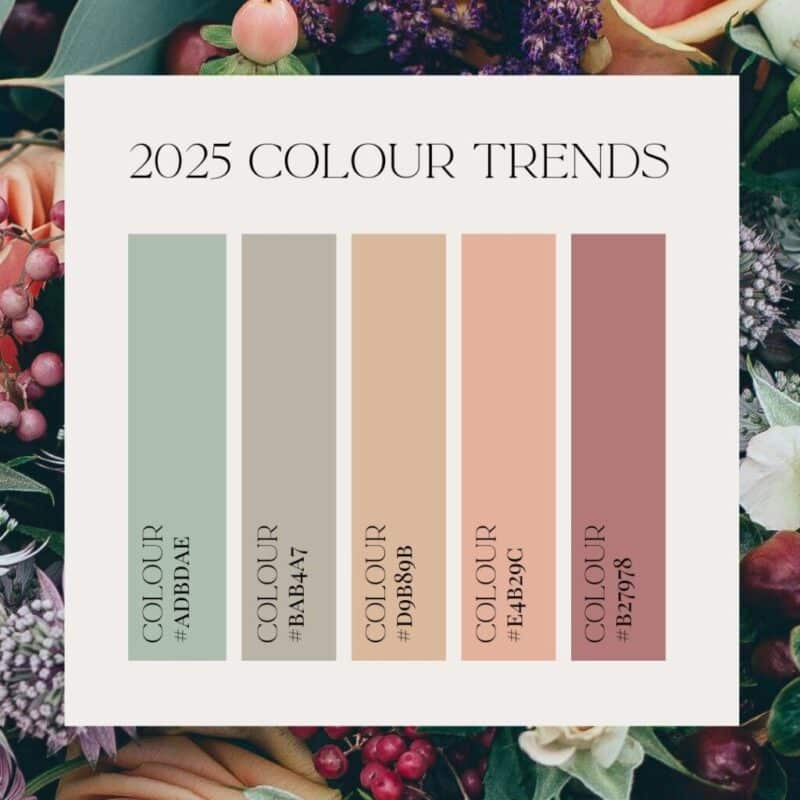
Seasonal trends can significantly influence color choices for artificial flower walls. In 2025, some popular color trends may include earthy and muted tones for a natural and organic look, bold and vibrant colors for a festive and lively atmosphere, and pastel shades for a soft and romantic ambiance. Staying updated on these trends will help you cater to your customers¡¯ preferences.
Top Color Palettes for Artificial Flower Walls in 2025
- Earthy and Muted Tones
Characteristics
Earthy and muted tones are characterized by a natural, understated, and sophisticated look. These colors often include various shades of browns, greens, grays, and warm neutrals.
Applications
Ideal for creating a natural and organic ambiance, these colors are perfect for outdoor events, rusticthemed weddings, and ecofriendly venues.
Implementation Tips
Combine different shades of green foliage with flowers in complementary earthy tones, such as cream, rust, or tan, to create a cohesive and balanced floral wall.
- Bright and Vibrant Colors
Characteristics
Bright and vibrant colors are full of energy and excitement, often featuring bold hues like electric blue, hot pink, or sunny yellow.
Applications
These colors work well for celebrations, parties, and events where a lively and festive atmosphere is desired.
Implementation Tips
Mix and match various bright flowers to create a gradient effect or use contrasting colors for added visual impact. Be mindful of balancing the arrangement to avoid overwhelming the viewer.
- Soft Pastels
Characteristics
Soft pastels are gentle, delicate, and soothing, typically including colors like baby pink, mint green, or lavender.
Applications
Perfect for spring and summer events, baby showers, and weddings, these colors create a romantic and airy ambiance.
Implementation Tips
Consider a monochromatic approach by selecting flowers in various shades of the same pastel color for a cohesive and elegant look.
- Monochromatic Color Scheme
Characteristics
Monochromatic color schemes involve using different shades and tints of a single color, creating a sophisticated and cohesive appearance.
Applications
Suitable for corporate events, minimalist spaces, and art installations, monochromatic floral walls convey elegance and modernity.
Implementation Tips
Vary the textures and shapes of the flowers while sticking to the chosen color. Incorporate foliage to provide contrast and depth within the same color family.
- Jewel Tones
Characteristics
Jewel tones are rich, luxurious, and dramatic, featuring deep and vibrant colors such as emerald green, sapphire blue, or ruby red.
Applications
Ideal for formal events, luxury retail spaces, and themed parties, jeweltoned floral walls add opulence and glamour to any setting.
Implementation Tips
Use a mix of flower types to create a lush and abundant look, balancing the rich colors with greenery to prevent the arrangement from feeling too heavy.
Tips for Selecting the Right Color Palette
- Consider the Event¡¯s Purpose and Venue
Tailor your color choices to the event¡¯s purpose and venue, ensuring they complement the overall theme and atmosphere.
- Know Your Audience
Understand your target audience and their preferences to select a color palette that will resonate with them and enhance their experience.
- Stay Updated on Design Trends
Keep up with the latest design trends and color forecasts to offer the most soughtafter and stylish options for your customers.
- Don¡¯t Be Afraid to Mix and Match
Experiment with different color combinations to create unique and eyecatching floral walls that cater to your customers¡¯ diverse needs.
- Balance and Cohesion
Maintain balance and cohesion in your color choices, ensuring that the resulting floral wall is harmonious and visually appealing.
Conclusion
In 2025, the best color palettes for artificial flower walls continue to be a crucial aspect of the floral design industry. As a distributor, it is essential to stay informed about the latest trends and understand the different color schemes¡¯ characteristics and applications. By following the tips and recommendations provided in this article, you can offer the most relevant and visually appealing options to your customers, ultimately enhancing your success in the market.
FAQ
Q1: Which color palettes are most popular for artificial flower walls in 2025?
A: Popular color palettes for 2025 include earthy and muted tones, bright and vibrant colors, soft pastels, monochromatic schemes, and jewel tones.
Q2: How can I choose the right color palette for my artificial flower wall?
A: Consider the event¡¯s purpose, venue, target audience, and current design trends when selecting a color palette for your artificial flower wall.
Q3: Can I combine different color palettes in one floral wall?
A: Yes, you can mix different color palettes to create a unique and visually interesting floral wall. However, ensure that the arrangement maintains balance and cohesion.
Q4: What are some tips for maintaining artificial flower walls?
A: Regularly dust the flowers and foliage, avoid prolonged exposure to direct sunlight, and use UVresistant materials for outdoor settings to maintain artificial flower walls.
Q5: Are certain flowers better suited for specific color palettes?
A: Some flowers may be more suitable for certain color palettes, such as roses and peonies for soft pastels or orchids and hydrangeas for jewel tones. Research flower characteristics to help you select the best options.
Q6: How can I ensure my artificial flower wall aligns with my brand identity?
A: Choose colors that reflect your brand¡¯s personality and values, incorporate elements that resonate with your target audience, and consider how the floral design will integrate with other branding materials.
Q7: What are some trends in floral wall design for 2025?
A: In 2025, some trends to watch for include sustainable materials, innovative and techintegrated designs, and personalized floral walls.
Q8: How can I create a cohesive look with multiple artificial flower walls at an event?
A: Maintain a consistent color palette and design style throughout the arrangements, using similar flower types and textures to ensure each wall complements the others while allowing for individual expression.
