
Blog
The Role of Artificial Greenery Walls in Professional Studios
Nov
In the world of photography, videography, and creative content production, the environment in which work is created and executed can have a significant impact on the end result. One design element that has become increasingly popular in professional studios is the use of artificial greenery walls. For distributors, wholesalers, and procurement professionals, understanding the market for artificial greenery walls in professional studios can help in meeting the needs of potential clients and customers. This article will explore the role of artificial greenery walls in professional studios, their benefits, and considerations for their use.
The Significance of Aesthetic Environments in Professional Studios
Professional studios, whether they are photography studios, videography sets, or creative workspaces, require an environment that is conducive to creativity and productivity. The use of artificial greenery walls in these spaces can help to create an aesthetically pleasing environment that promotes these qualities. Here are some reasons why artificial greenery walls are significant in professional studios:
Visual appeal: Artificial greenery walls add visual appeal to professional studios by creating a lush and vibrant backdrop. This can help to create a professional and polished look for photography and videography shoots.
Branding and identity: Artificial greenery walls can be used to create a unique brand identity for professional studios. By selecting specific plants and styles, studios can create a look that is in line with their branding and values.
Client experience: For professional studios that work with clients, such as photographers and videographers, the studio environment can play a role in the overall client experience. Artificial greenery walls can help to create a welcoming and inviting space that clients will appreciate.
Benefits of Artificial Greenery Walls in Professional Studios
In addition to their visual appeal and branding potential, artificial greenery walls offer a number of specific benefits for professional studios:
Easy maintenance: One of the biggest advantages of artificial greenery walls is that they require little to no maintenance. Unlike live plants, they do not need to be watered, pruned, or fertilized, which can save time and resources for busy studios.
Durability: Artificial greenery walls are often more durable than live plants, which can wilt or die in lessthanideal conditions. This durability can be particularly beneficial for studios that are used frequently or are in hightraffic areas.
Flexibility: Artificial greenery walls can be easily customized to fit the specific needs and style of a professional studio. From the types of plants used to the arrangement and size of the wall, there is a wide range of flexibility when it comes to designing an artificial greenery wall.
Applications of Artificial Greenery Walls in Professional Studios
Artificial greenery walls can be used in a variety of ways in professional studios, depending on the specific needs and goals of the studio. Here are a few examples:
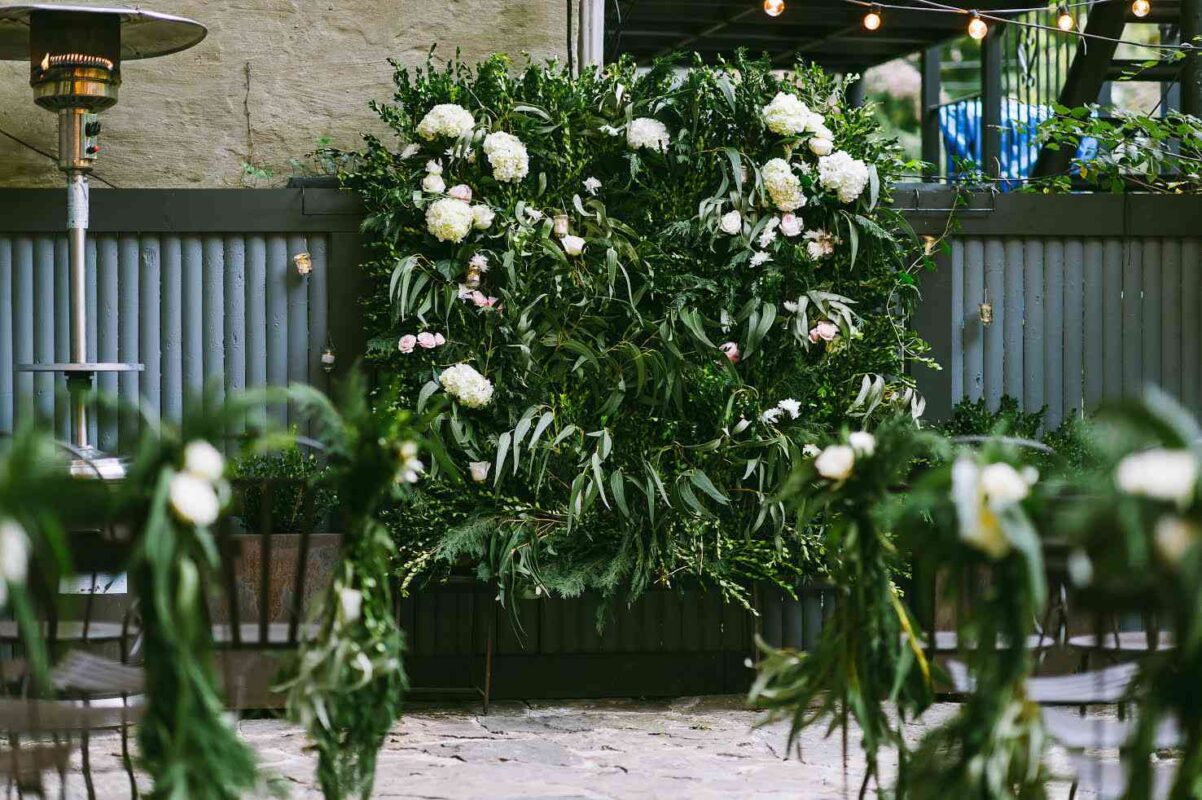
Backgrounds for photography and videography: As mentioned earlier, artificial greenery walls can provide a beautiful and versatile backdrop for photography and videography shoots. They can be used in a range of settings, from studio spaces to outdoor locations.
Studio partitions: Artificial greenery walls can also be used as partitions or dividers in professional studios. This can help to break up large open spaces and create a more intimate and private atmosphere.
Green walls for brand identity: Artificial greenery walls can be used to create a strong brand identity for professional studios. By selecting plants and styles that are aligned with the studio¡¯s branding and values, studios can create a distinctive look that sets them apart from competitors.
Design Considerations for Artificial Greenery Walls
When designing an artificial greenery wall for a professional studio, there are a few key considerations to keep in mind:
Choose the right materials: It¡¯s important to select highquality materials that are durable and realisticlooking. The materials used should be able to withstand the demands of a professional studio environment, including frequent use and exposure to various lighting and environmental conditions.
Consider the studio¡¯s overall aesthetic: The artificial greenery wall should complement the overall aesthetic of the studio. This includes considering the colors, textures, and styles of the other design elements in the space.
Think about placement and lighting: The placement of the artificial greenery wall should be carefully considered to ensure that it is visible and impactful. Lighting is also an important consideration, as it can help to highlight the greenery and create a more dynamic visual effect.
The Impact of Artificial Greenery Walls on the Creative Process
Artificial greenery walls can also have a positive impact on the creative process in professional studios. Here are a few ways in which they can make a difference:
Inspire creativity: Artificial greenery walls can inspire creativity by providing a visually appealing and stimulating environment. This can help to foster a culture of creativity and innovation in the studio.
Enhance mood and focus: The presence of natural elements like plants has been shown to have a positive effect on mood and focus. Artificial greenery walls can provide these benefits in a professional studio setting, helping to reduce stress and increase productivity.
Create a sense of calm: Artificial greenery walls can help to create a sense of calm and relaxation in professional studios, which can be particularly beneficial in highstress environments like photography and videography shoots.
Conclusion
Artificial greenery walls play an important role in professional studios, offering a range of benefits and applications. From providing a visually appealing backdrop for photography and videography shoots to inspiring creativity and enhancing mood and focus, artificial greenery walls are a valuable design element for professional studios. By selecting highquality materials and considering the studio¡¯s overall aesthetic, artificial greenery walls can be customized to fit the specific needs and style of any professional studio.
FAQs
Q: What are artificial greenery walls made of?
A: Artificial greenery walls are typically made of synthetic materials, such as plastic, silk, or polyester.
Q: How do I choose the right artificial greenery for my studio?
A: When selecting artificial greenery for your studio, consider the overall aesthetic and style of the space, as well as the specific needs and goals of the studio.
Q: Are artificial greenery walls suitable for outdoor use?
A: While artificial greenery walls are generally designed for indoor use, some products are suitable for outdoor use. It¡¯s important to select materials that are weatherresistant and able to withstand exposure to the elements.
Q: How do I maintain artificial greenery walls?
A: Artificial greenery walls are low maintenance and typically only require occasional dusting or cleaning. It¡¯s important to follow the manufacturer¡¯s instructions for care and maintenance to ensure the longevity of the product.
Q: Can I customize the design of an artificial greenery wall?
A: Yes, artificial greenery walls can be customized to fit the specific needs and style of your studio. Many suppliers offer customizable options for plant selection, arrangement, and materials.
Q: How long do artificial greenery walls last?
A: The lifespan of artificial greenery walls can vary depending on the quality of materials used and the level of care and maintenance provided. With proper care, artificial greenery walls can last for many years.
Q: Are there any specific design trends for artificial greenery walls in studios?
A: Design trends for artificial greenery walls in studios can vary depending on factors like location and industry. Some current trends include incorporating mixed materials like wood or metal elements, using varying heights and textures to create depth, and integrating technology for interactive or dynamic effects.
Q: Can artificial greenery walls help with sound absorption in studios?
A: While artificial greenery walls are primarily decorative, they can contribute to sound absorption when combined with other acoustic materials like panels or curtains. The density of the greenery can help to reduce echo and improve the overall acoustics of the studio.
