
Blog
The Ultimate Guide to Designing a Floral Wall for Weddings
Nov
Designing A Floral Wall For Weddings
In today¡¯s wedding industry, floral walls are a very soughtafter business, because not only are they used as a backdrop for the ceremony itself but they¡¯re also used as a backdrop for the bride and groom to take pictures with. Floral walls are a great way to get into the wedding market, or to expand an already successful floral market. We¡¯ve created this design guide to take you through, step by step, on how to make the perfect floral wall for your customers!
Table of Contents
Understanding Floral Walls
Designing A Floral Wall
Conclusion
FAQ
Understanding Floral Walls
What is a floral wall?
The importance of floral walls in weddings
Designing A Floral Wall
Conceptualizing the Design
Defining the theme
Choosing color palettes
Selecting Materials
Types of flowers
Framework and structure
Planning the Layout
Sketching the design
Balancing elements
Assembly and Installation
Preparing the flowers
Assembling the floral wall
Final touches
Maintenance and Care
Caring for fresh floral walls
Cleaning and storing artificial floral walls
Conclusion
FAQ
What is a floral wall?
A floral wall is a type of arrangement or installation made of flowers, foliage, and other decorative materials that are arranged on a vertical surface. Floral walls can be used for a variety of purposes, such as weddings, photo booth backdrops, as a reception backdrop, etc. Floral walls can be made using fresh flowers or artificial flowers, depending on the desired look and budget. To make a floral wall, you will need a framework or support structure, as well as the flowers and other materials to create the design. A floral wall can range from being a simple and small design to a large and elaborate structure, depending on the size of the wall and the design requirements.
The importance of floral walls in weddings
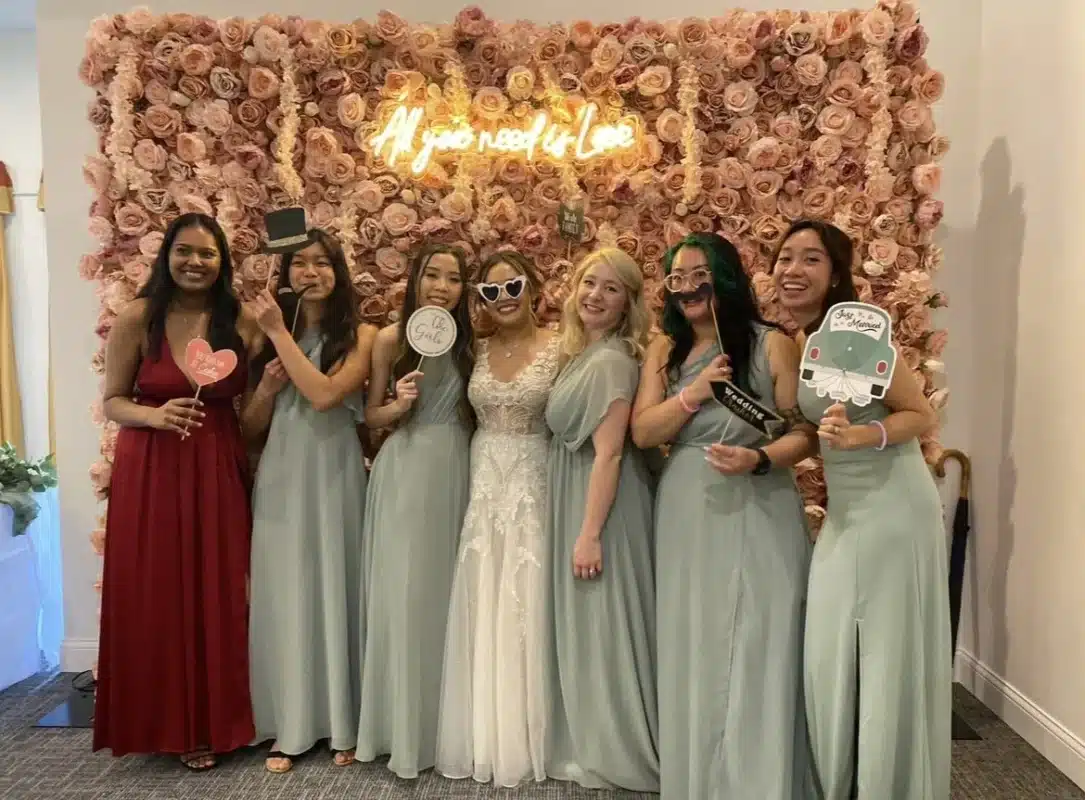
Wedding floral walls are an important part of wedding decor and set the tone and mood for the entire event. Floral walls can be used as a backdrop for the ceremony itself, as a backdrop for the wedding party to take photos with, or as a photo booth backdrop. Floral walls for weddings can be made using fresh flowers, artificial flowers, or a combination of both. They can be designed in a variety of styles, such as rustic, modern, bohemian, classic, etc. The flowers used in the floral wall should complement the overall theme and color scheme of the wedding. A welldesigned and wellexecuted floral wall can add elegance and beauty to the wedding decor and provide a stunning backdrop for photographs.
Designing A Floral Wall
Conceptualizing the Design
Defining the theme
To create a successful floral wall, it is essential to first understand the purpose and theme of the event where it will be used. Whether it¡¯s a wedding, reception, or photo booth backdrop, each event has its unique style and aesthetic. Defining the theme will help in determining the overall look and feel of the floral wall design. It will also help in selecting the right flowers and colors to match the theme. Some popular themes for floral walls include rustic, modern, bohemian, classic, and more.
- Choosing color palettes
Choosing the right color palette is critical in designing a floral wall. The color palette should complement the overall theme and setting of the event. It is important to consider the wedding colors if it¡¯s a wedding backdrop. The color palette will also depend on the type of flowers available and the season. It is best to stick to a limited color palette, usually 23 main colors, to create a cohesive and harmonious design. Using too many colors can make the design look cluttered and overwhelming. It is also important to consider the lighting of the venue as it can affect the colors of the floral wall.
Selecting Materials
Types of flowers
When it comes to designing a floral wall, the type of flowers used is crucial. Some of the most common types of flowers used in floral walls include roses, hydrangeas, peonies, orchids, baby¡¯s breath, eucalyptus, and more. Fresh flowers are the most popular choice for floral walls as they add a natural and elegant look to the design. However, if the floral wall is going to be used for an extended period, artificial flowers may be a better option as they last longer.
- Framework and structure
The framework and structure of the floral wall are just as important as the flowers used. The framework can be made of various materials such as wood, metal, or even fabric. The most common type of framework used for floral walls is a wooden frame or board. The size of the framework will depend on the size of the floral wall required. The structure of the floral wall should be sturdy enough to hold the weight of the flowers used.
Planning the Layout
Sketching the design
Sketching the design of the floral wall is an essential step in the design process. It helps in visualizing the final product and making any necessary adjustments before starting the actual work. A sketch can be done on paper or digitally using design software. The sketch should include the framework, flowers, and any other decorative elements that will be used in the floral wall.
- Balancing elements
Balancing the elements of the floral wall is important in creating a harmonious design. The size, color, and placement of each element should be considered to ensure that the design is wellbalanced. The flowers should be arranged in a way that they complement each other and create a cohesive look. It is also important to consider the overall size of the floral wall in relation to the space it will be placed in.
Assembly and Installation
Preparing the flowers
Before starting the assembly process, it is important to prepare the flowers. This includes washing and hydrating the flowers, trimming the stems, and removing any excess foliage. It is also important to make sure that the flowers are fresh and in good condition before using them in the floral wall.
- Assembling the floral wall
The assembly process of a floral wall can be done in various ways depending on the design. One common method is to start by attaching the flowers to the framework using floral tape, wire, or hot glue. The flowers should be arranged in a way that they create a cohesive and balanced look. Once all the flowers have been attached, any additional decorative elements can be added to the floral wall.
- Final touches
After the assembly process is complete, some final touches may be required to complete the floral wall. This may include adding lighting, hanging the floral wall, or making any necessary adjustments to the design. It is important to step back and view the floral wall from a distance to ensure that it looks balanced and cohesive.
Maintenance and Care
Caring for fresh floral walls
If the floral wall is made of fresh flowers, it is important to take care of them to ensure that they last as long as possible. This may include watering the flowers regularly, misting them with water to keep them hydrated, and keeping them in a cool and shaded area. It is also important to remove any wilting or dead flowers to maintain the overall look of the floral wall.
- Cleaning and storing artificial floral walls
If the floral wall is made of artificial flowers, it is important to clean them regularly to maintain their appearance. This may include dusting the flowers with a soft cloth or using compressed air to remove any dust. Artificial floral walls can also be stored for future use by carefully removing the flowers from the framework and storing them in a dry and cool area.
Conclusion
Designing a floral wall for weddings can be a fun and creative process that requires careful planning and execution. By understanding the event¡¯s theme, selecting the right flowers and materials, and carefully planning the design, it is possible to create a beautiful and unique floral wall. The final product is sure to be a stunning backdrop for photos and add elegance and beauty to the event.
FAQ
What types of flowers are best for a floral wall?
The best types of flowers for a floral wall include roses, hydrangeas, peonies, orchids, baby¡¯s breath, eucalyptus, and more. The choice of flowers will depend on the theme and color palette of the floral wall.
Can I make a floral wall myself, or should I hire a professional?
It is possible to make a floral wall yourself if you have the necessary skills and tools. However, hiring a professional floral designer can ensure a highquality and wellexecuted floral wall.
How long does it take to assemble a floral wall?
The time required to assemble a floral wall will depend on its size and complexity. A small floral wall can take a few hours to assemble, while a large and elaborate floral wall can take a day or more.
How can I ensure my floral wall remains stable during the event?
To ensure stability, it is important to use sturdy materials for the framework and secure it properly to the ground or wall. If using fresh flowers, it is also important to consider the weight of the arrangement and ensure that the structure can support it.
Can I use artificial flowers for my floral wall?
Yes, artificial flowers can be used for a floral wall. Artificial flowers are a popular choice as they last longer and are more affordable than fresh flowers.
How do I choose the right color palette for my floral wall?
Choosing the right color palette will depend on the theme and setting of the event. It is important to select colors that complement each other and the overall color scheme of the event.
Are there budgetfriendly options for creating a floral wall?
Yes, budgetfriendly options for creating a floral wall include using artificial flowers, opting for a smaller floral wall or simpler design, and sourcing flowers and materials from wholesale suppliers.
How do I maintain the freshness of a floral wall during an outdoor event?
To maintain freshness during an outdoor event, it is important to keep the flowers hydrated and store the floral wall in a cool and shaded area before the event. Using floral foam or water tubes can also help to provide moisture to the flowers.
Are there creative elements I can add to my floral wall?
Yes, creative elements that can be added to a floral wall include lighting, hanging ribbons, signage, and personal touches such as monograms or meaningful quotes.
